Fitness equipment manufacturerCommercial home fitness equipment of higher quality
Tel/WhatsApp:+86 180 2651 8045
Strength equipment is not one product group. It is three, and they behave differently in a room. Selectorized machines are pin-loaded, self-contained, and can be lined up against a wall. Plate-loaded and rack stations need open space in front and around them. Free weights need a floor that can take a dropped bar and a wall that can take a mirror.
Mixing the three without a plan produces the layout we see most often in a failed fit-out: a tidy row of pin-loaded machines along one wall, a bench squeezed into the corner with 40 cm to spare, and a dumbbell rack positioned so nobody can stand in front of it. Everything is present and nothing is usable.
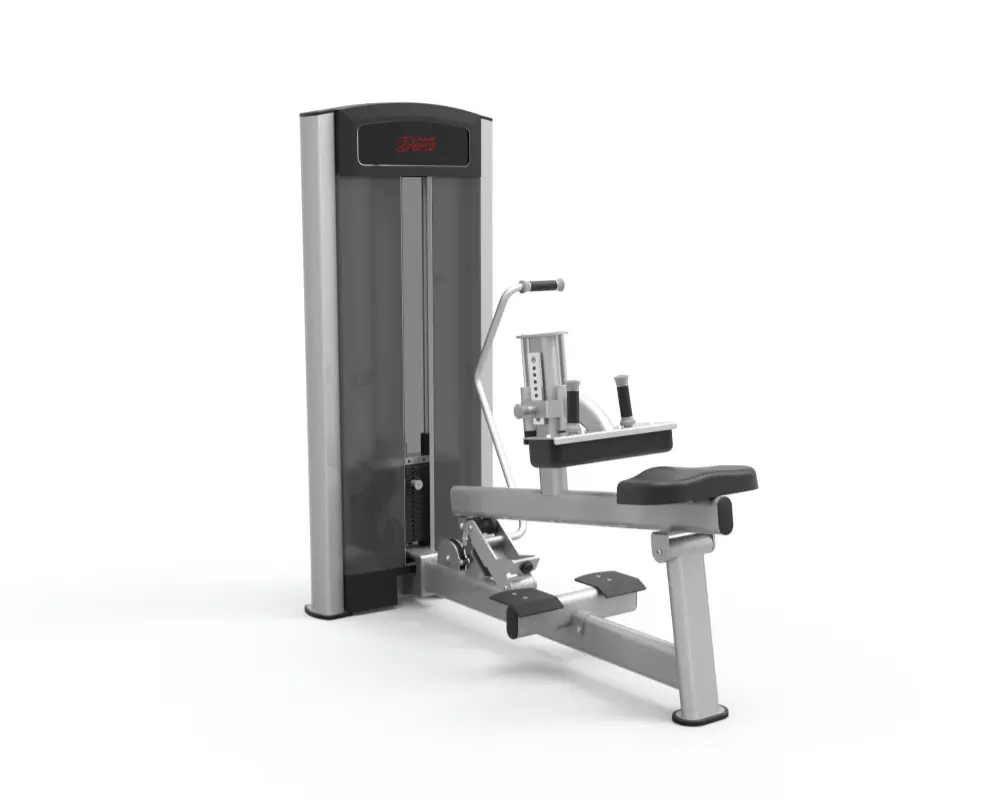
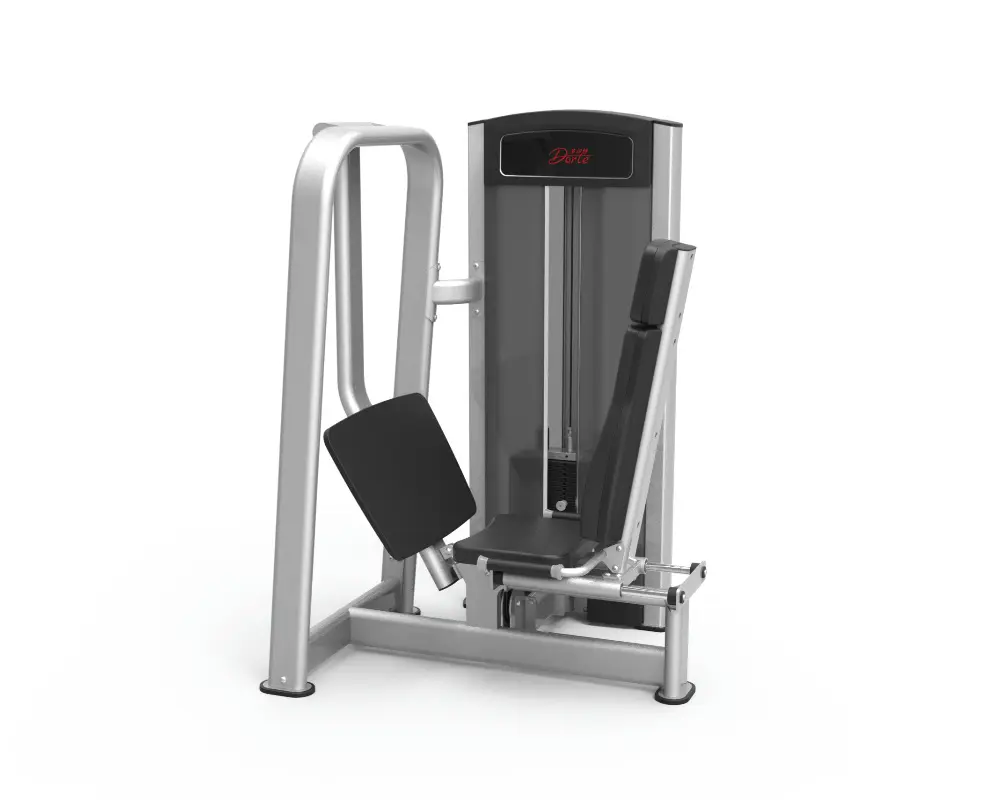
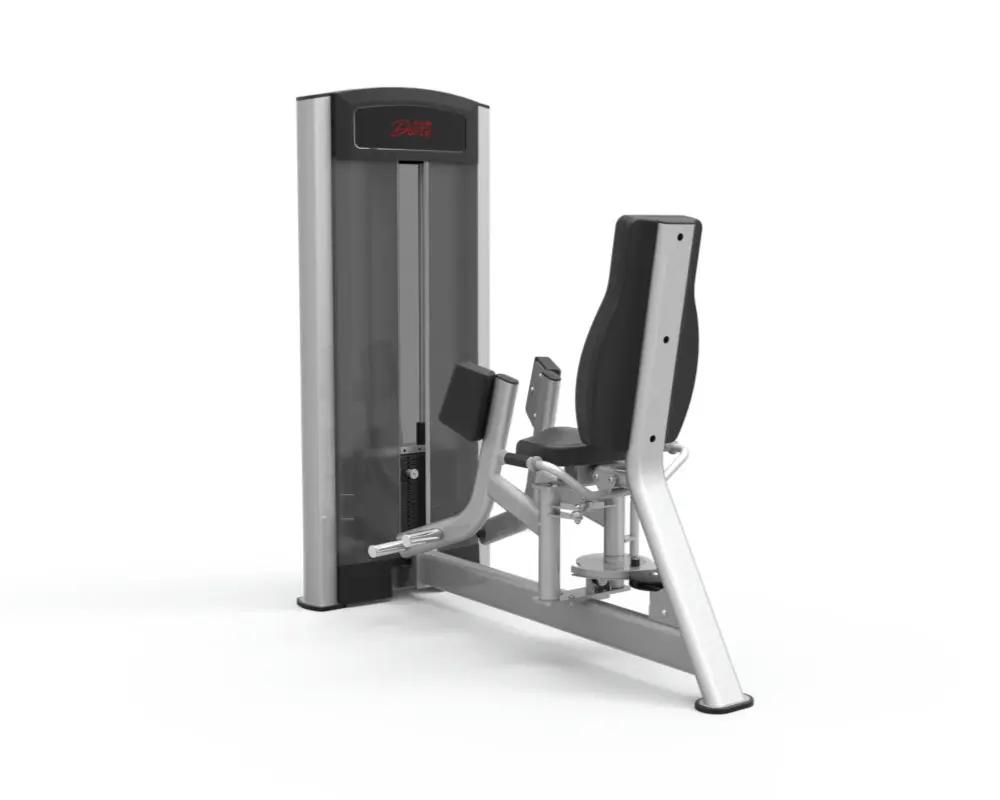
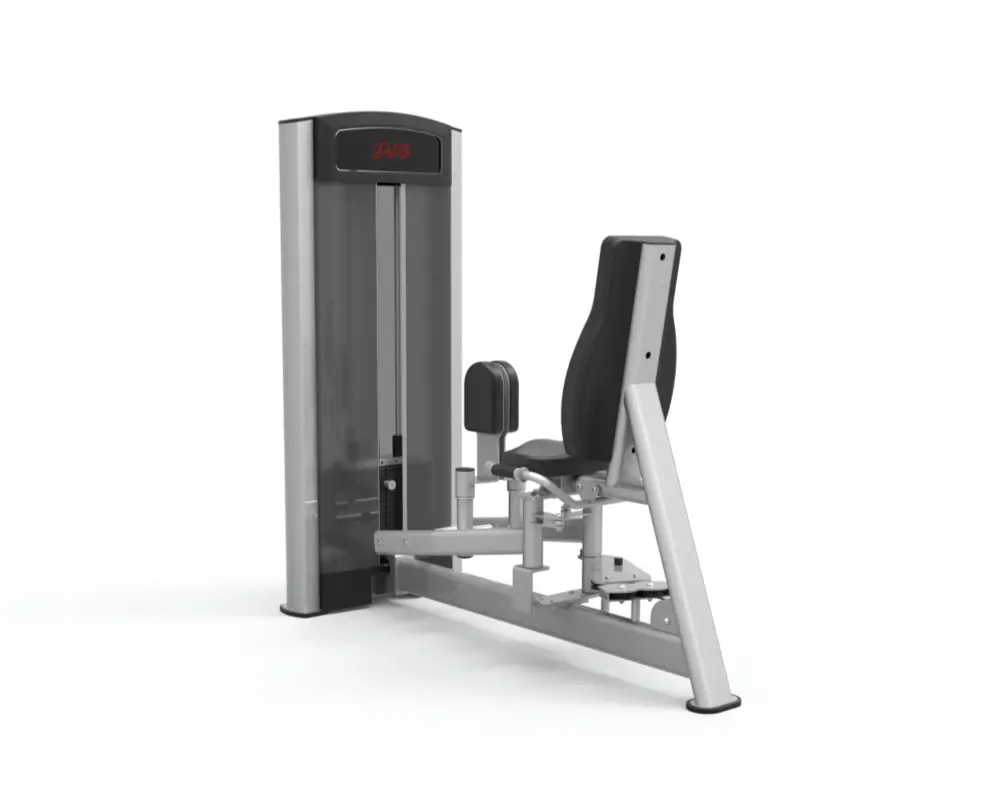
These machines work best in a single line against a solid wall, in the order a member would use them: press and pulldown at the start, row and back extension next, then arms, then core. Each unit needs around 1.5 × 1.3 m of floor, plus 1.1 m of clear space in front for the user and the seat adjustment.
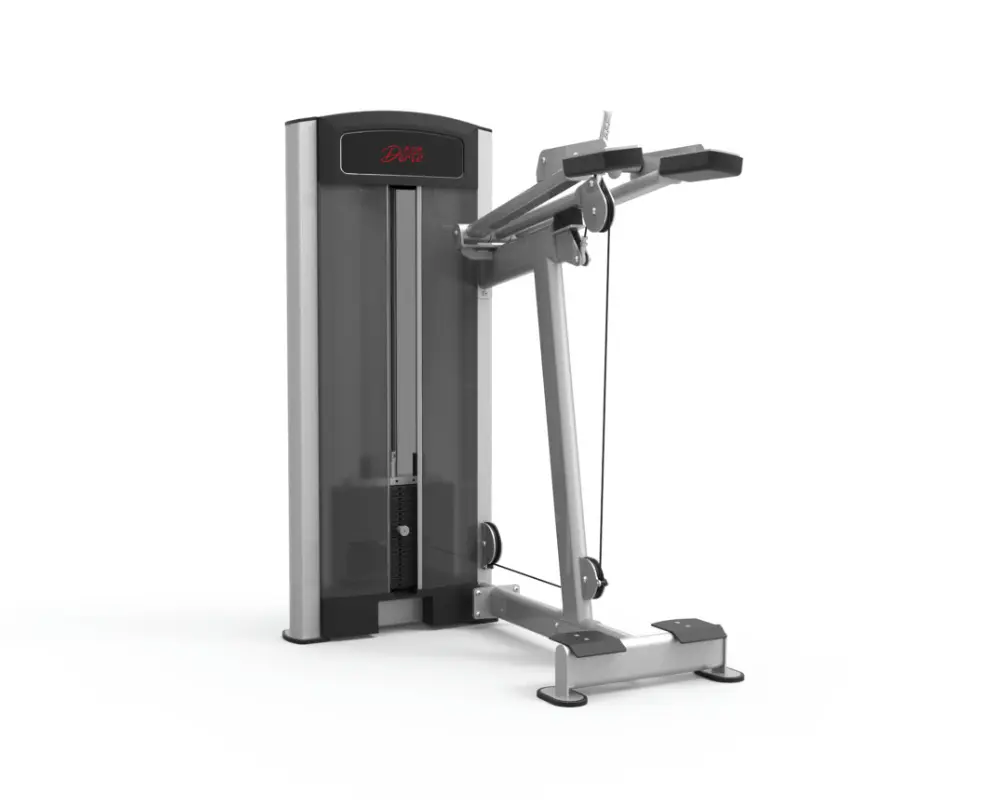
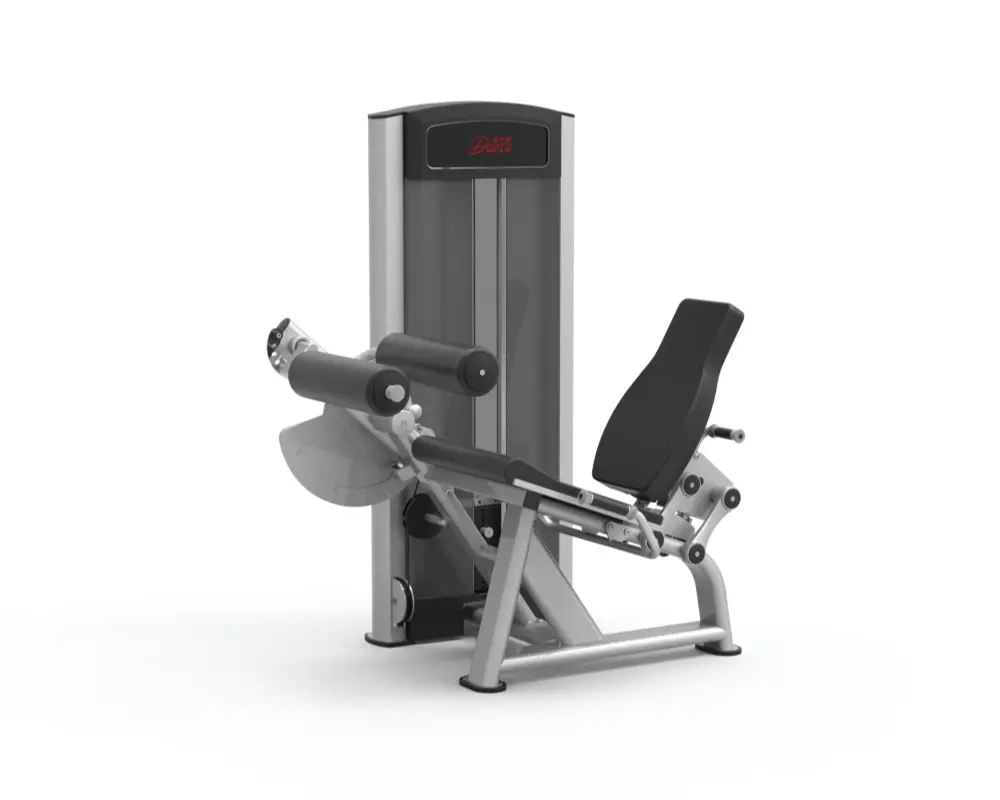
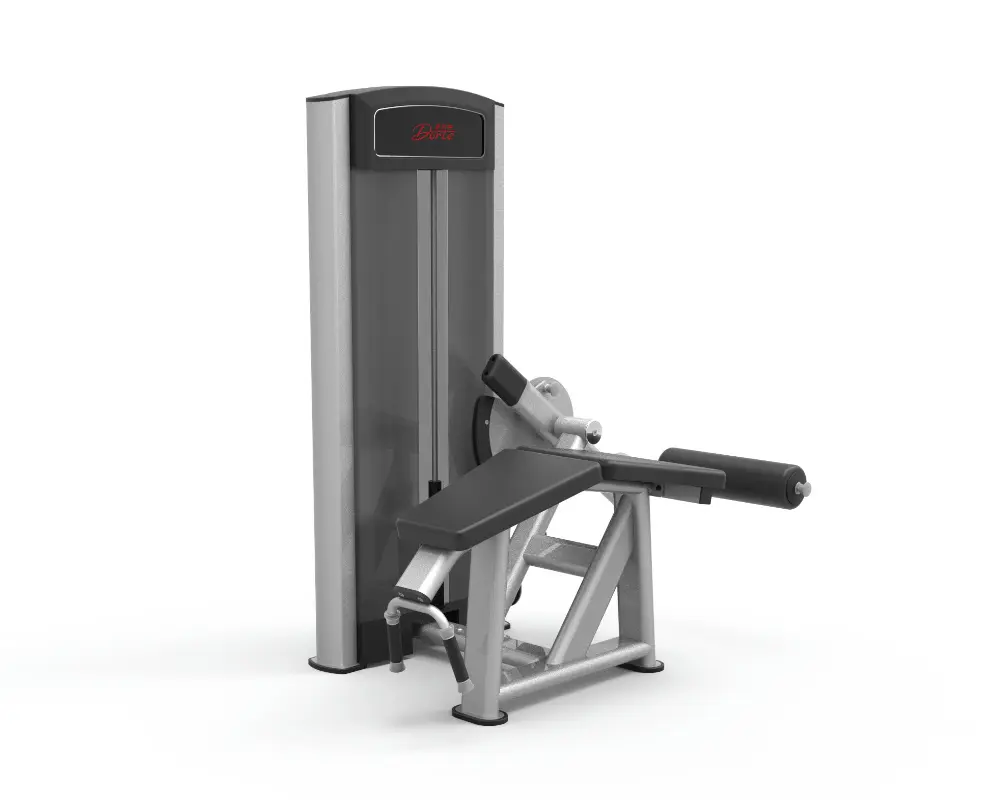
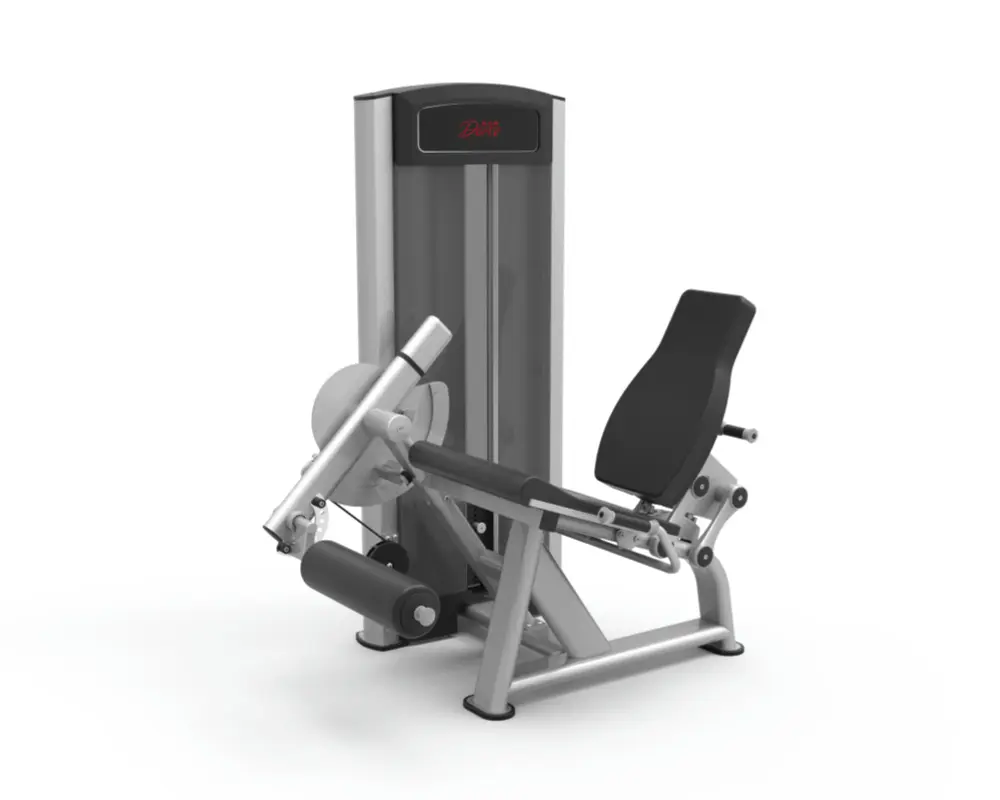
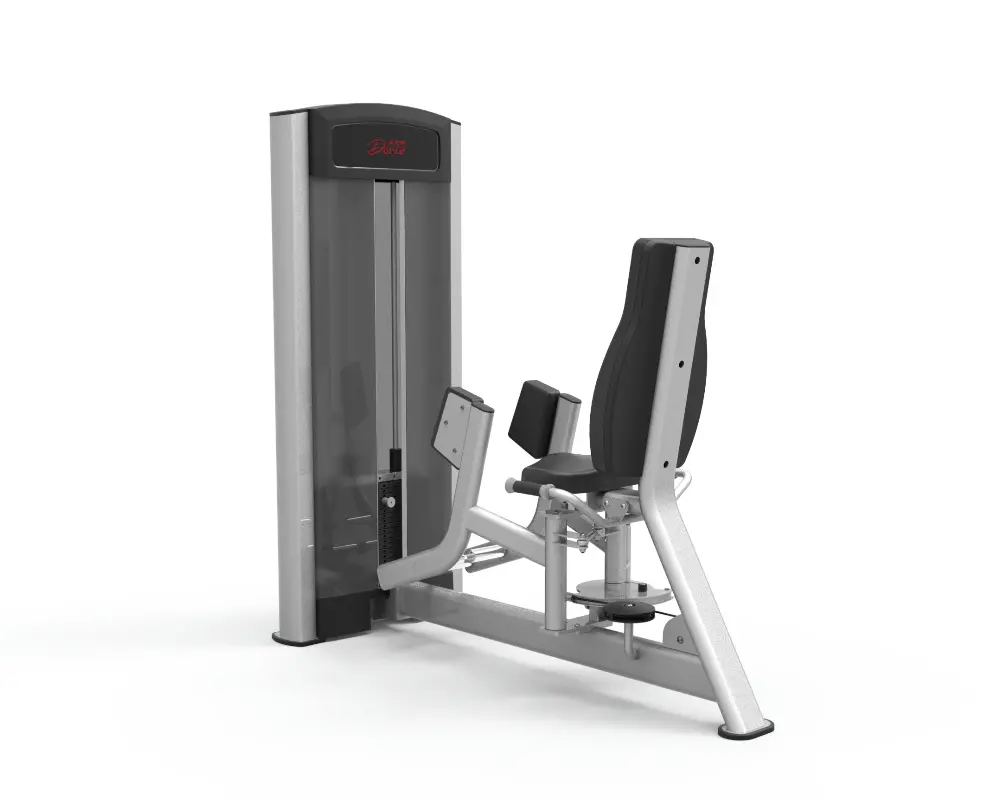
The perimeter line is not only about space. A member who cannot work out what a machine does will not use it, and a straight line of machines with the movement visible from the walkway is self-explanatory in a way that a scattered arrangement never is. Full detail on the range and how the 18 stations differ is on the selectorized machines page.
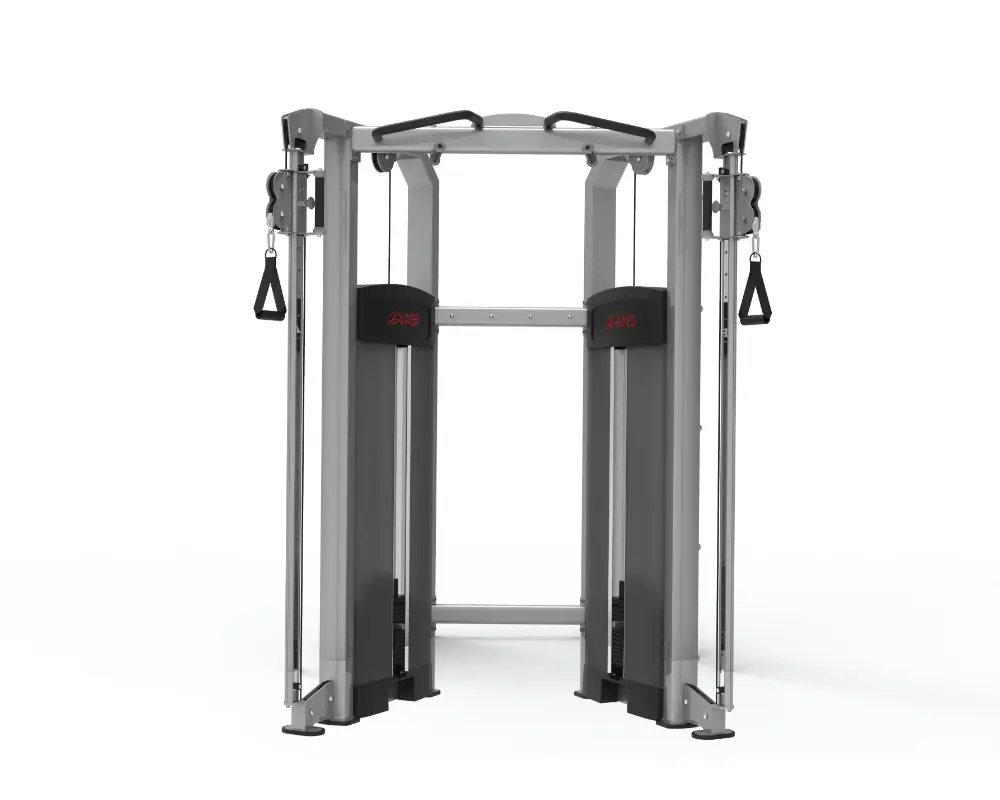
This layer needs open floor. A Smith machine or a bench press rack needs 2.5 m in front for the bar travel and a spotter, and a functional trainer needs 1.8 m of clear space on both sides so the cables can be pulled at any angle. Placing these along a wall wastes half their function.
This is also the layer that decides whether a room feels like a gym or a showroom. Plate-loaded equipment signals serious training; a room of nothing but pin-loaded machines reads as a hotel fitness corner. If the target user is a paying member, at least one rack and one free weight area belongs in the plan.
Dumbbell rack, benches, and a floor that survives dropped weight. Two rules that are broken constantly: the dumbbell rack needs 1.2 m of clear floor in front of it, and the mirror starts 2 m away from the rack, not directly behind it. A mirror mounted at the rack means the user stands between the mirror and the weight and blocks their own view.
Flooring: 15–20 mm rubber in the machine area, 25 mm or a proper platform under the free weights. On a structural slab this is enough. On a raised access floor, no thickness of rubber will help — the panels themselves will move.
| Type | Space per unit | Who it serves | When to prioritise |
|---|---|---|---|
| Selectorized (pin-loaded) | 1.5 × 1.3 m + 1.1 m front | Beginners, first-time users, mixed ages | Hotel gyms, staff gyms, rooms under 150 sqm |
| Plate-loaded | 1.8 × 1.6 m open | Intermediate and experienced lifters | Clubs, sports teams, rooms with a strength membership |
| Racks and Smith machines | 2.5 × 1.8 m open | Free weight training | Any room claiming to serve serious members |
| Functional trainers and cable stations | 1.8 m clear both sides | Mixed training, rehabilitation, classes | Where space is short but versatility matters |
| Multi-station | 3.2 × 3.2 m | Whole room in one footprint | Rooms under 80 sqm with six or fewer regular users |
The multi-station case deserves a note. A six-station unit like the DLZ506 puts six training positions into one frame, which is the only way to fit a usable strength room into 60–80 sqm. The compromise is that only one user can work at a time per station, and the exercises are fixed to what the frame was designed for.
On a lat pulldown, a single-track machine fixes the handle path: the user pulls straight down and the movement is decided by the manufacturer. A dual-track machine lets the handle travel on two independent arms, so a wide grip and a close grip follow different paths, and the shoulder is not forced into one plane.
We build both — the DL714 dual track and the DL713 single track — and the same choice exists on the shoulder press. For a hotel or a staff gym, the single track is cheaper and nobody notices. For a club where members train the same movement every week, the dual track is the one that does not cause shoulder complaints at month eight.
80 kg is the working standard and covers general fitness, corporate use and most hotel guests. It does not cover a club with a serious strength membership, where the leg press and the low row want 100 kg. Check the stack before you compare prices, because a 100 kg stack is a different machine, not an upgrade option.
For the cardio side of the same room, see the cardio range. For a complete fit-out, start from the commercial gym equipment index or one of the layouts: 100 sqm, 250 sqm, 500 sqm.

Gym Equipment Factory