Fitness equipment manufacturerCommercial home fitness equipment of higher quality
Tel/WhatsApp:+86 180 2651 8045
A selectorized machine carries its own weight stack and a pin. The user picks a weight, sits down, and pushes or pulls along a fixed path. There is no bar to load, no plates to move, and no requirement to know what a set is.
That last point is the reason these machines dominate hotel gyms, staff rooms and the perimeter wall of almost every club. A member who has never trained can sit on a chest press, read the instruction plate, and get a safe session in under a minute. The alternative — a rack and a loaded bar — requires a level of confidence most first-time users do not have, and a spotter they do not have either.
The trade-off is that the machine decides the movement path. For a general fitness member that is a feature, because the path is correct. For a trained lifter it is a limitation, which is why a serious strength room always has a free weight layer as well.
| Group | Stations | What it covers |
|---|---|---|
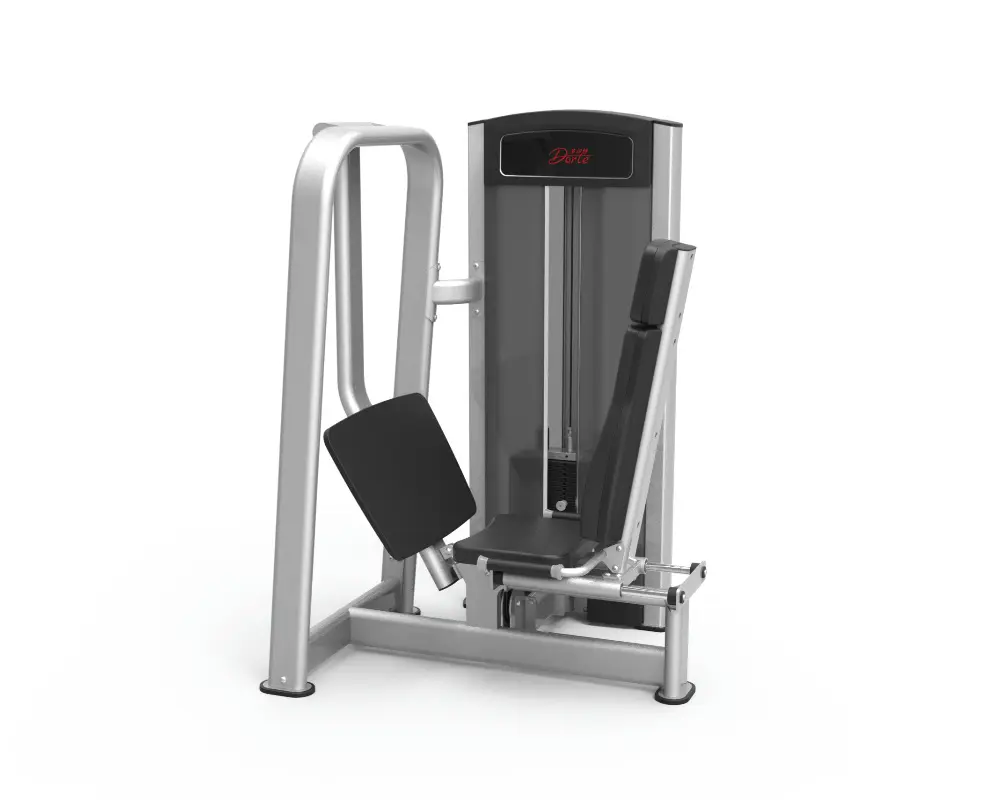
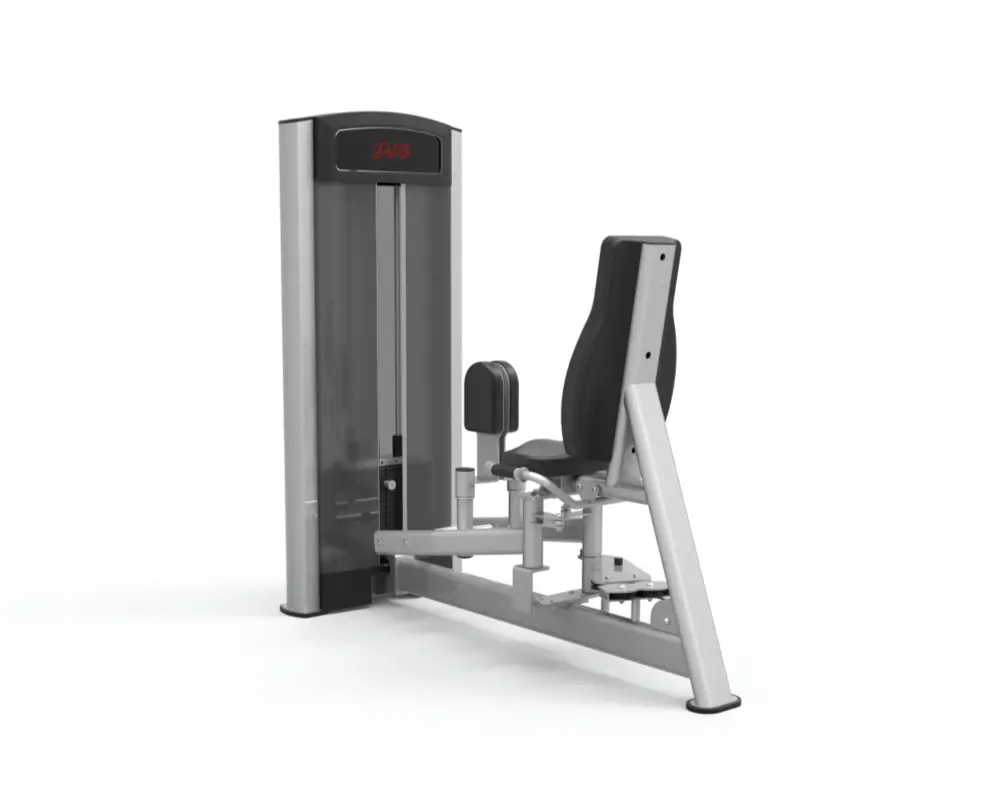
| Chest | DL701 seated chest press, DL702 upper pec fly, DL703 lower pec fly | Pressing and flyes from two angles |
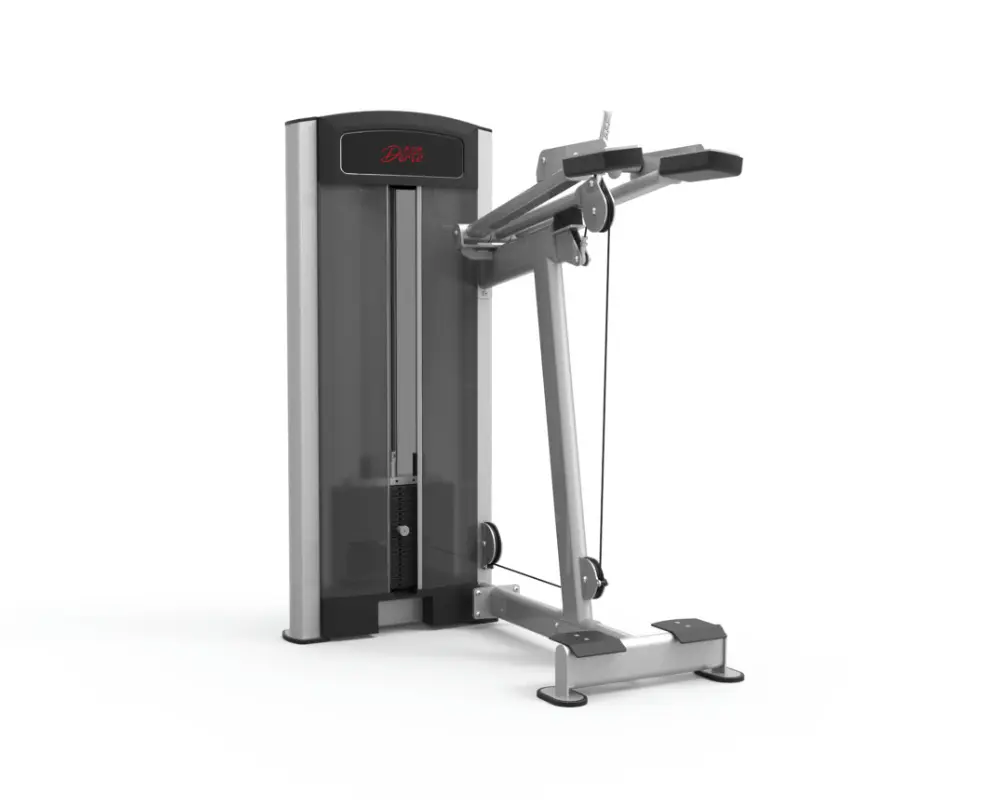
| Shoulder | DL704 seated shoulder press, DL705 dual track shoulder press, DL706 seated upright row, DL707 seated lateral raise | Press and lateral deltoid work |
| Arms | DL708 biceps curl, DL709 seated triceps press, DL710 triceps extension | Biceps and both triceps positions |
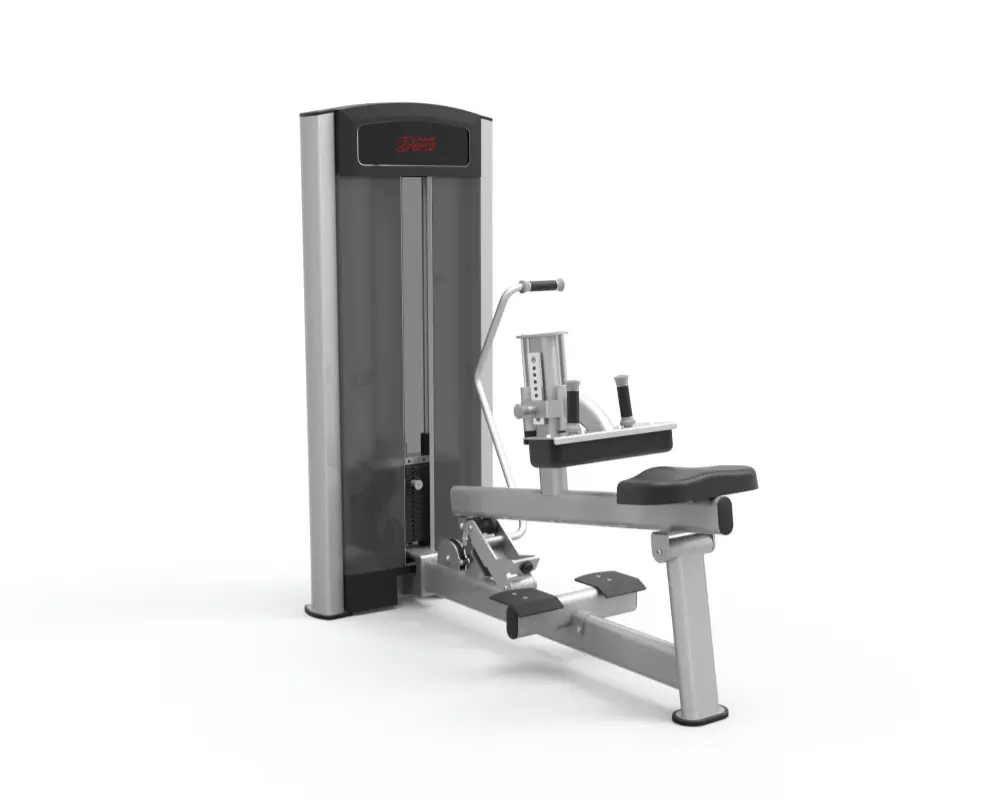
| Back | DL711 chest-supported row, DL712 seated low row, DL713 lat pulldown, DL714 dual track lat pulldown | Vertical and horizontal pulling |
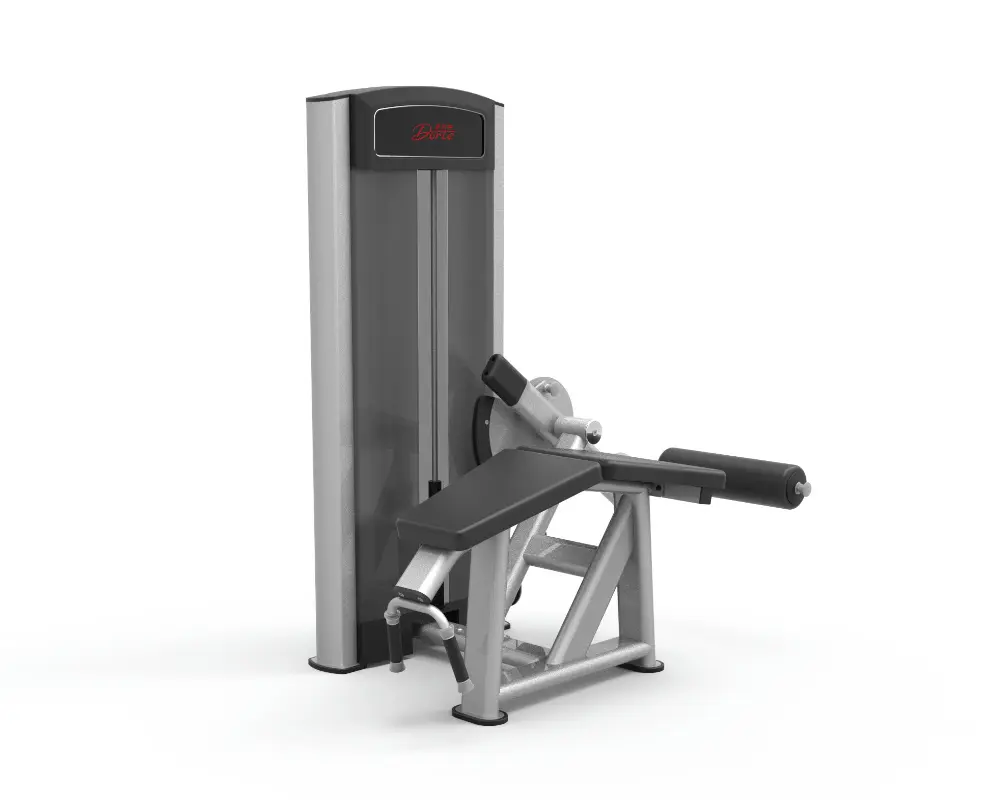
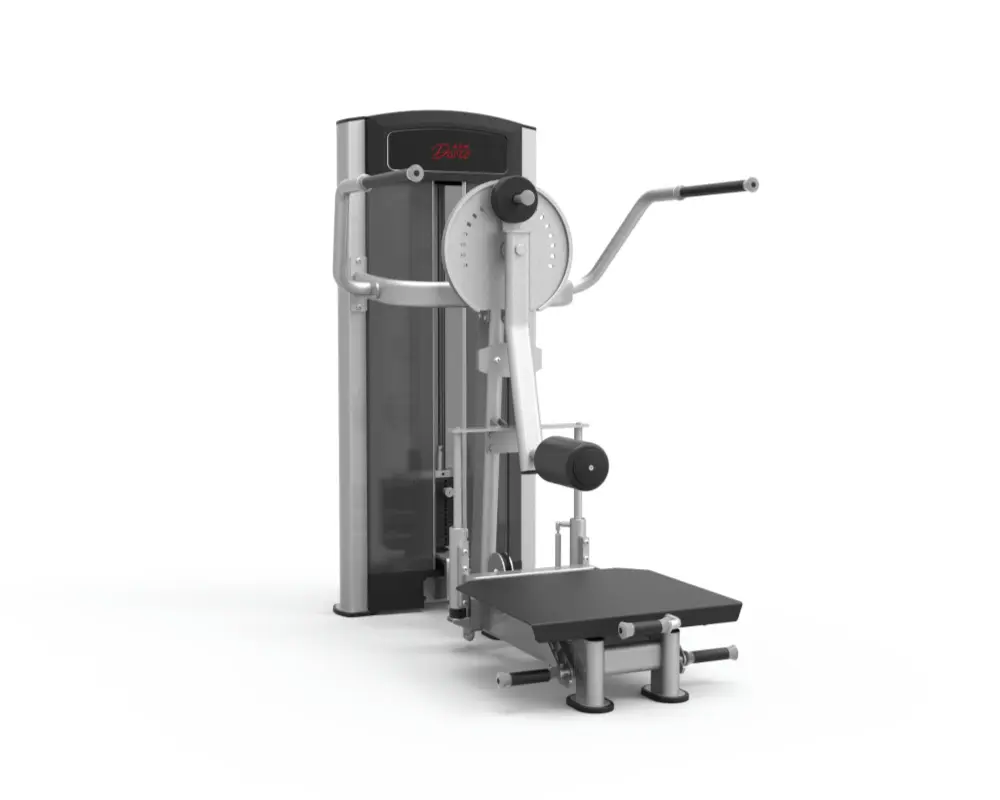
| Lower back and core | DL715 seated back extension, DL717 seated ab crunch, DL718 torso rotation | Spinal extension, flexion and rotation |
| Assisted | DL716 assisted dip and pull-up | Bodyweight work for users who cannot yet do it unassisted |
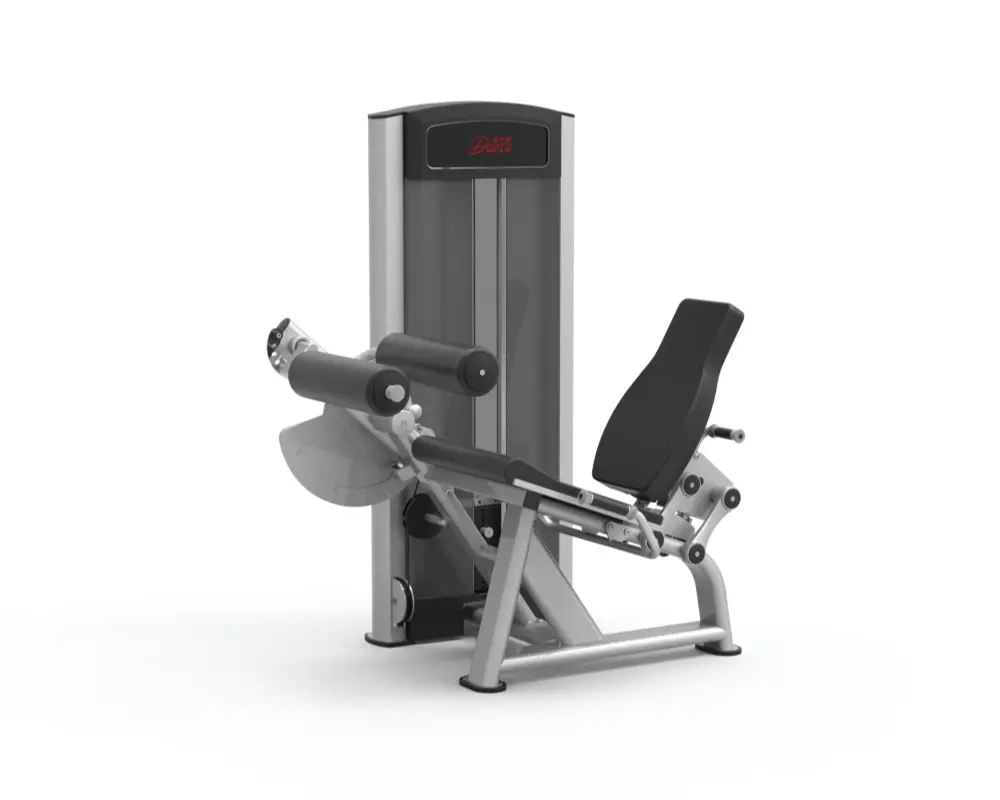
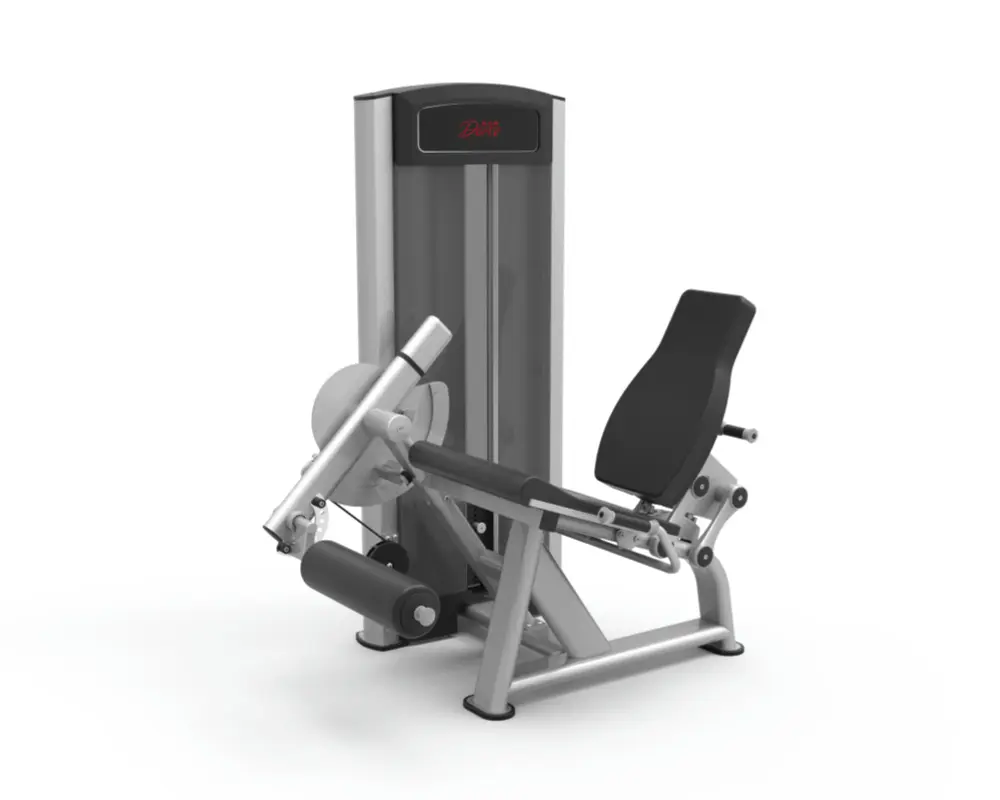
Note what this range covers and what it does not. It is a complete upper body and core line. Leg stations sit in the plate-loaded and rack range, not here — so a room built only from this list will have a gap at the leg press. If the floor plan has to be all selectorized, plan the leg work around a multi-station unit, or budget for the rack layer separately.
Eight machines cover the whole body for a room that serves under 200 visits a week. In order of what gets used most:
Everything beyond that set is a choice between depth and breadth. Adding the two fly machines gives chest variety; adding the lateral raise covers the shoulder head the press misses; adding the torso rotation covers a movement that otherwise needs a cable station.
Four stations exist in two versions: the DL713 single track lat pulldown against the DL714 dual track, and the same choice on the shoulder press. A single track fixes the handle path, so every user pulls in the same line. A dual track lets each arm travel independently, so a wide grip and a close grip follow different paths and the shoulder is not forced into one plane.
In a hotel or staff gym nobody notices the difference, and the single track is the sensible buy. In a club where the same member trains the same movement three times a week for two years, the dual track is the version that does not produce shoulder complaints at month eight.
The order matters more than most people expect, because a member walks the line and decides what to use based on what they can see. The sequence we use: pressing at one end, then pulldown and row, then arms, then core at the far end. That mirrors a training session and puts the two most-used machines at the entrance where they are visible.
Facing the walkway, not the wall. A row of machines facing a blank wall reads as storage. The same row facing the room reads as equipment, and members use it without needing to walk behind anyone.
Mirrors: 2 m in front of the line, not directly against it. At the machine itself, the user blocks their own view.
Part of the wider commercial strength range. For complete rooms, see the full equipment index, the 100 sqm layout, or the FAQ page for commercial terms.

Gym Equipment Factory