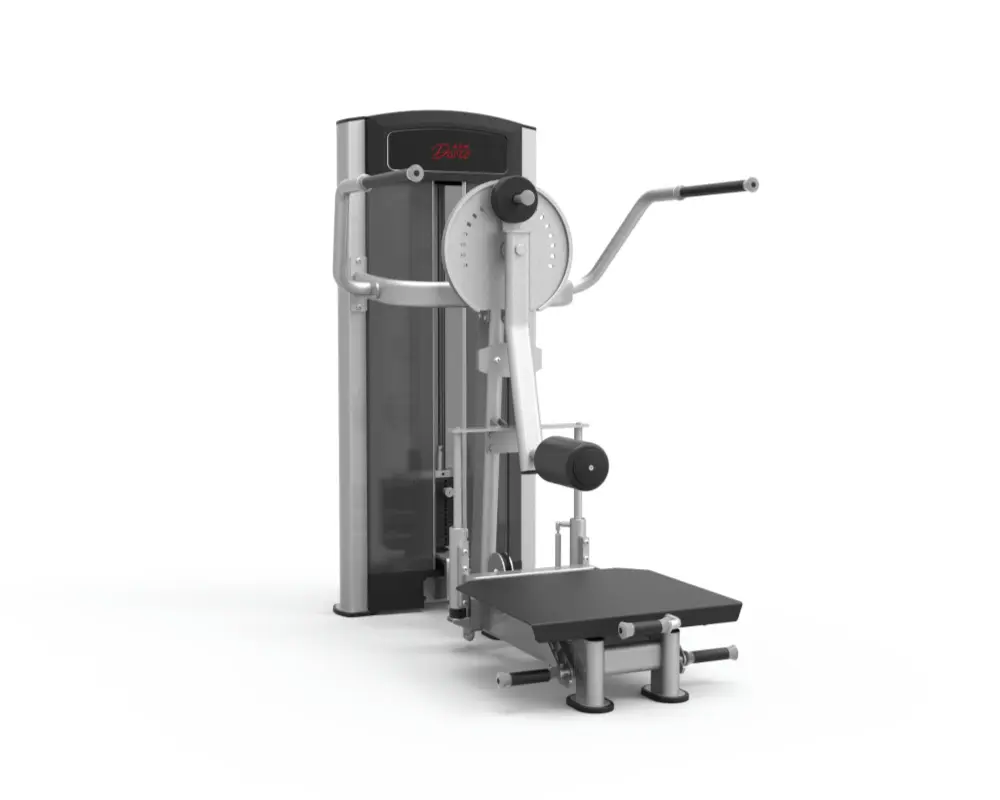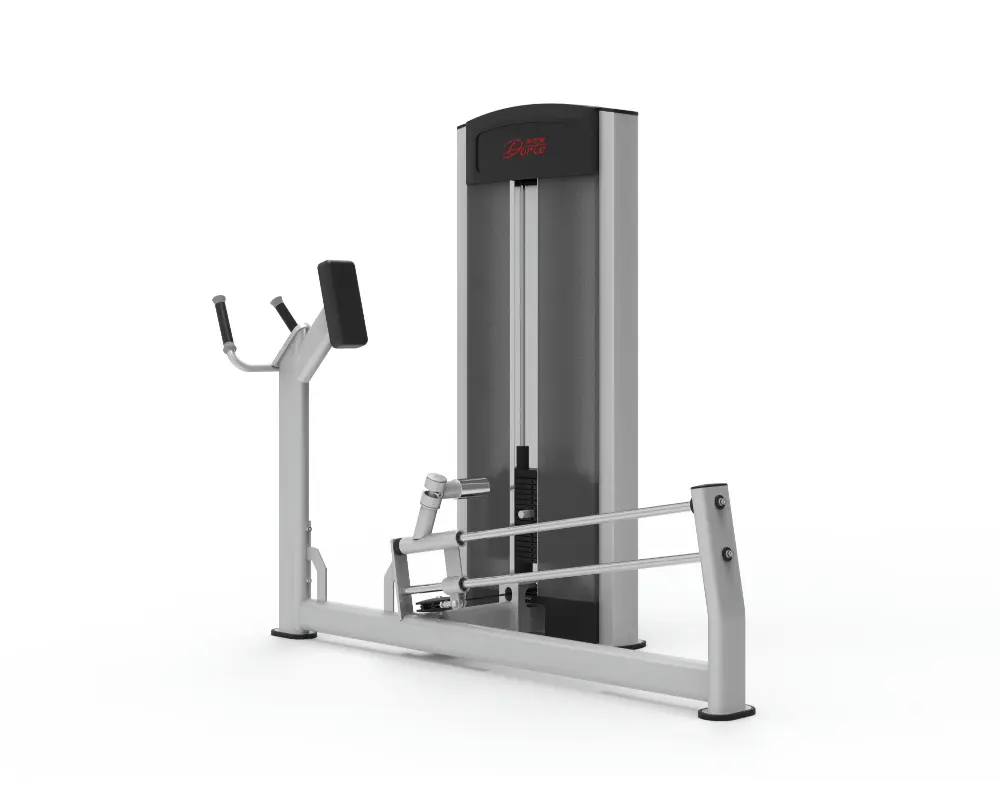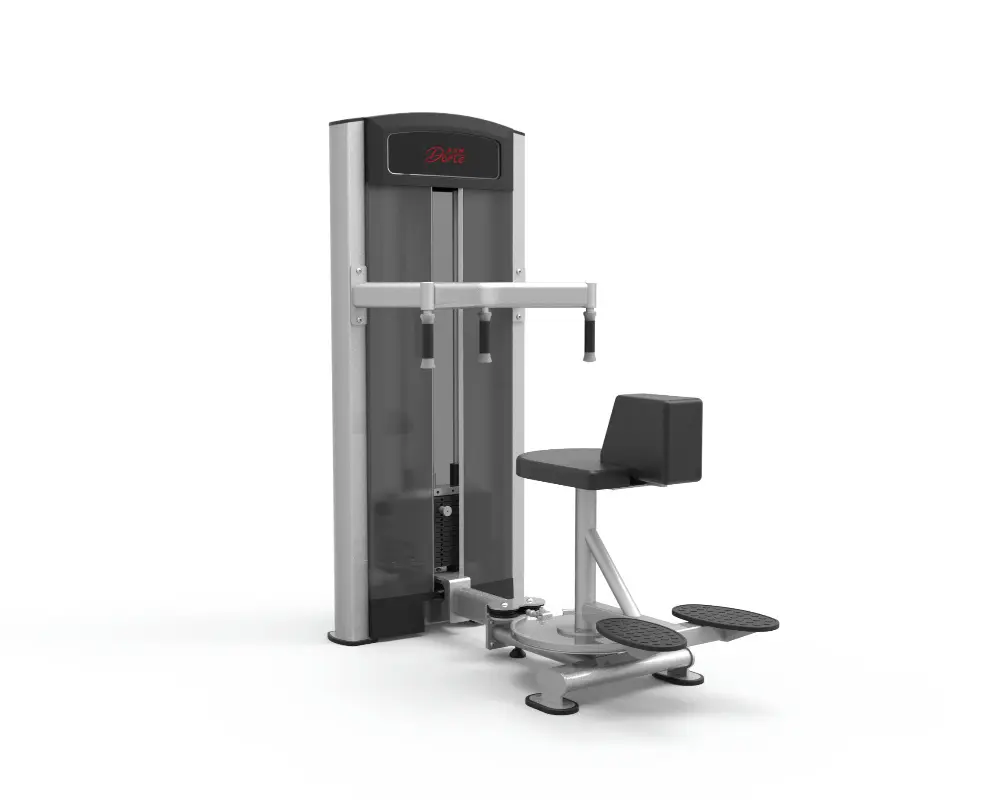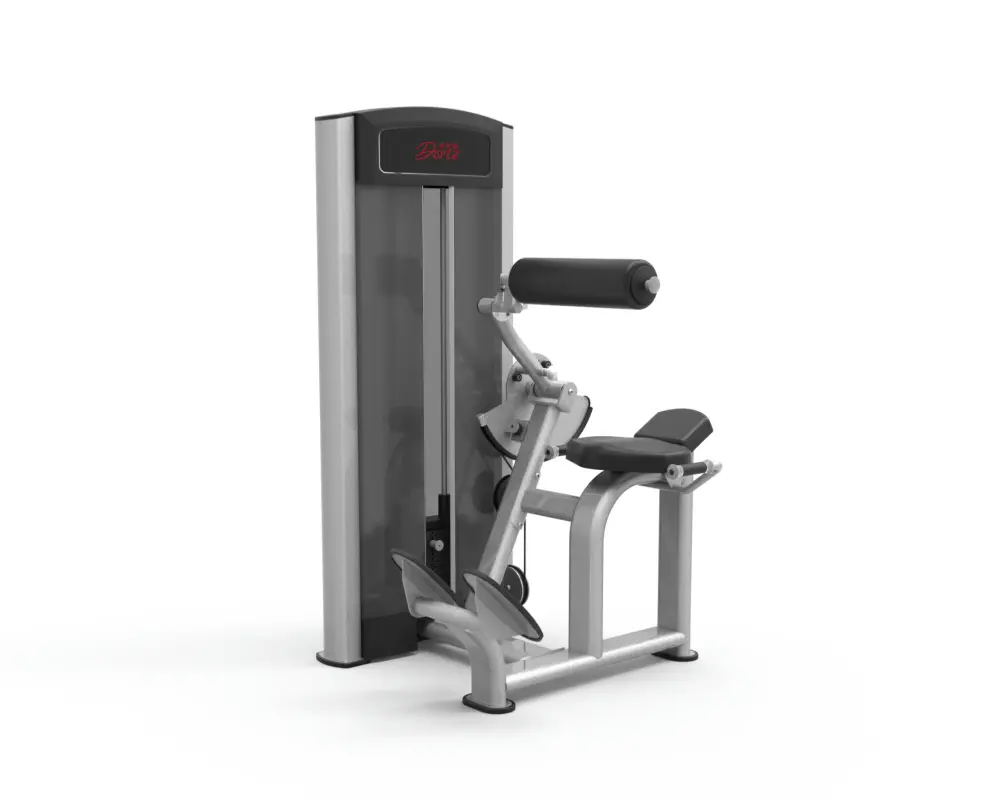

Product Model
| Specification | DL721 |
|---|---|
| Target muscles | Adductor magnus, adductor longus, vastus medialis and lateralis, gluteal group, outer thigh |
| Product size | 750*1540*1675mm |
| Counterweight | 80KG |
| Net weight | 205KG |
| Maximum load capacity | 160KG |
| Wire rope tension | more than 1400KG |
| Main frame specification | Q235 steel, 120*75*3.0mm bread-type tube for the main frame; 120*50*3.0mm flat elliptic tube for secondary members |
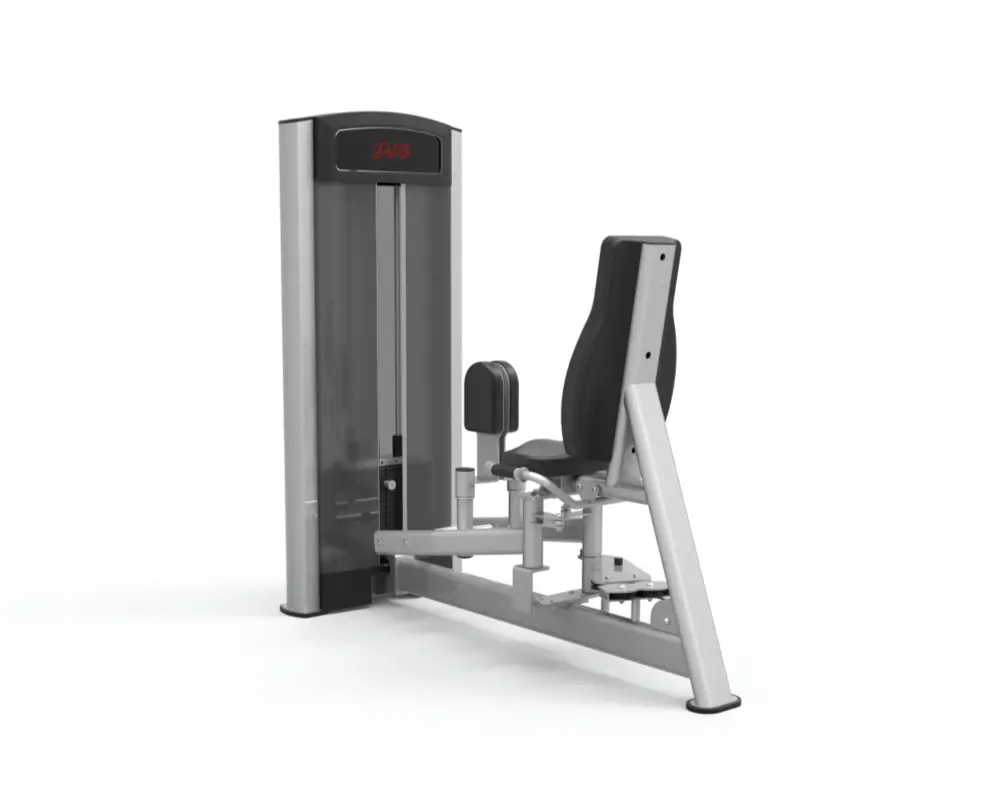
Dual-Function Inner and Outer Thigh Station
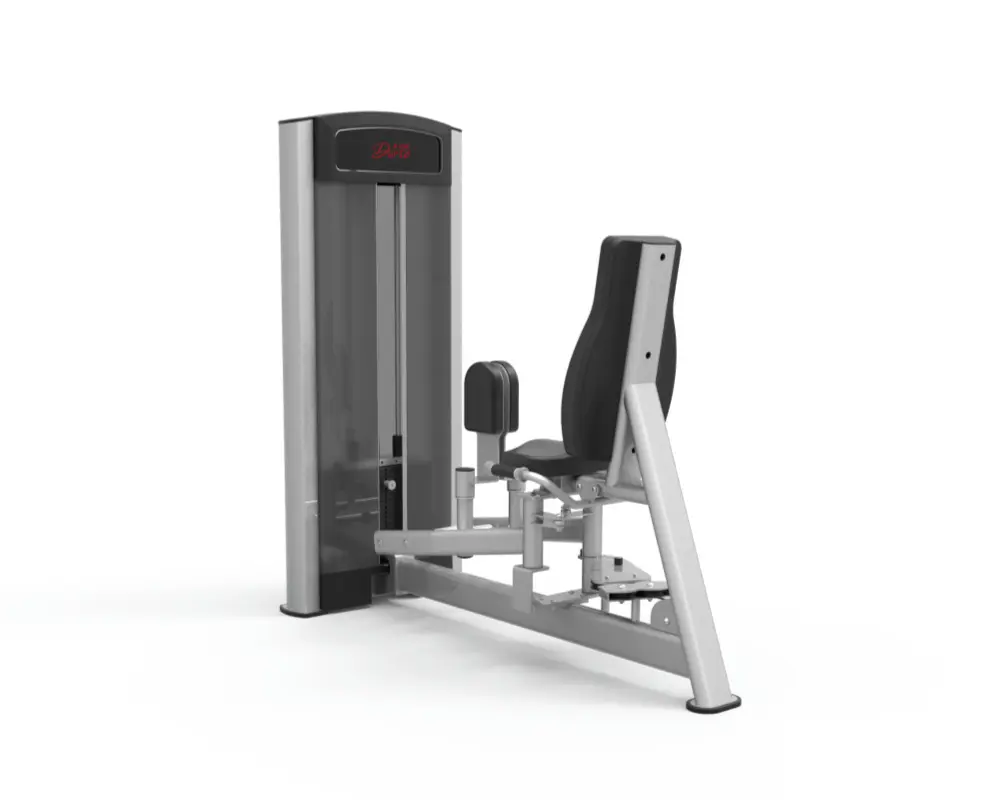
Adduction and abduction are opposite movements on the same joint, and most suppliers sell them as two machines. The DL721 does both from one seat: the two knee pads ride on linked arms, a changeover mechanism reverses the resistance direction, and the member stays seated throughout. One station replaces an inner-thigh unit and an outer-thigh unit that would otherwise take two slots and two freight positions.
750 mm of width is the number to look at. It is the narrowest machine in the series, and unlike the wall-hugging torso rotation station, this one is narrow in the direction that matters for a leg machine: the pads swing sideways inside the frame line instead of projecting into the room. Two of them can sit side by side in the width one leg press needs.
The 1540 mm depth is the changeover arm's sweep. Because the pads have to travel both inward and outward from a single pivot, the arm is longer than a fixed-direction machine would need — that extra length is what keeps the resistance curve even on both settings instead of loading only the closed position.
The 80 kg stack is deliberate, and it is heavier than the 70 kg used on the multi-hip machine. The abductors are small in cross-section but generate high torque because of their lever arm at the greater trochanter, and the adductors on the same setting can take considerably more. 80 kg covers both sides of that range with one stack, which is the only way a dual-function unit can work.
Net weight is 205 kg, 15 kg more than the single-function glute station, because the changeover linkage is a second set of moving parts on the same frame. The frame itself is unchanged Q235 120 × 75 × 3.0 mm bread-type main tube with 120 × 50 × 3.0 mm flat elliptic secondary members, and the seat runs on the same torsion-spring parallelogram adjustment as the rest of the range.
One Station, Two Movements
The changeover is a single lever at the pivot, reachable from the seat. Members do not discover it on their own, and that is the main reason inner/outer thigh machines sit idle in so many rooms — the machine is fine, the instruction is missing. Print the changeover on the placard, not just the muscle diagram.
For layout, the 750 mm width means the DL721 is the machine to use when a strength run is already tight. A 100 sqm corporate room can carry it beside the seated stations without losing a slot, and a 250 sqm room can run two side by side facing the mirror. It complements rather than duplicates the DL719 glute station and the DL720 multi-hip machine: those cover extension and four-plane work, this one covers the two movements members actually ask for by name.
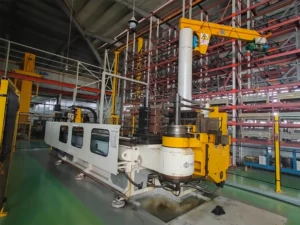
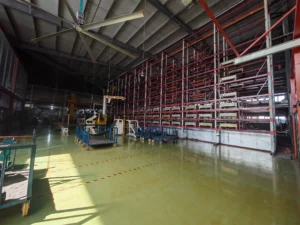
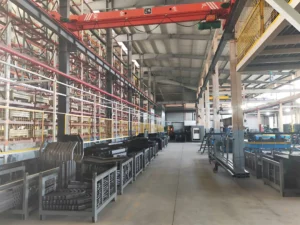
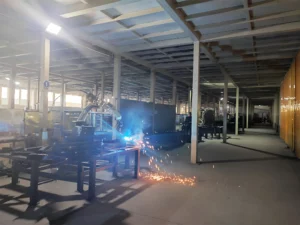
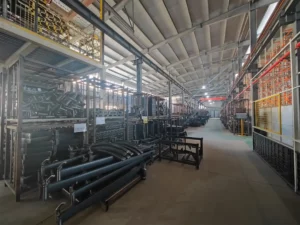
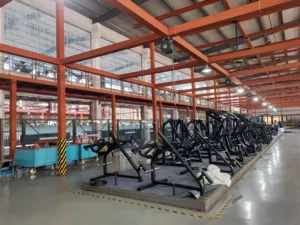
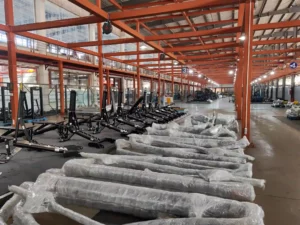
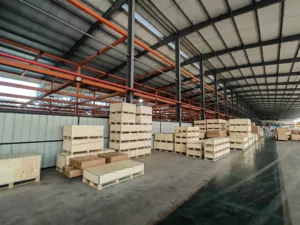
Fitness Equipment Factory
China Ledong offers a comprehensive range of high-quality manufacturing services, from welding and painting to assembly, packaging, and rigorous quality testing, to meet your specific needs. Our experienced team utilizes advanced technology to deliver customized solutions at competitive prices.
Contact now. Get the best solution!
Frequently Asked Questions
Commercial specification, installation and supply questions about the DL721.
How does the DL721 switch between inner and outer thigh?
A single lever at the pivot reverses the resistance direction, so the same two knee pads work inward on one setting and outward on the other. The member stays seated; there is no pad to move and no pin to re-seat. It takes a few seconds once someone has been shown once.
Which muscles are trained on each setting?
On adduction the adductor magnus, adductor longus and vastus medialis, with the gluteal group stabilising. On abduction the gluteus medius and minimus together with the outer thigh. The two settings are opposites on the same joint, which is why they are usually sold as two machines.
Why 80 kg rather than the 70 kg used on the DL720?
Because it is one stack serving two movements with very different strength profiles. The abductors produce high torque for their size through the lever at the greater trochanter, and the adductors take more again. 80 kg covers both ends of that range without a second stack.
Why is the DL721 heavier than the DL719 if it is narrower?
The changeover linkage is a second set of moving parts mounted on the same frame, so net weight goes from 190 kg to 205 kg while the footprint shrinks. Narrow does not mean light on a machine that has to hold two movement directions rigid.
Can two DL721 units sit side by side?
Yes. At 750 mm each they fit in 1.5 m of wall width, which is less than a single leg press. Leave 700 mm in front of each seat for getting in and out, and keep the mirror at least 600 mm from the knee pads so a seated member is not looking at their own reflection from too close.
What warranty and certification apply?
One year on the complete machine. The unit is manufactured to meet or exceed EN ISO 20957 / EN 957, with the declaration supplied in the shipping documents. We do not hold our own certificate for re-badged units, so the wording is compliance rather than certification.
Can the DL721 be branded for our own label?
Yes. Colour, frame finish and the logo plate are all changeable, and mixed branding across an order is fine. Customized runs take 35–45 days against 25–35 days for standard production, both measured to Shenzhen port and excluding ocean freight.
What is the minimum order and lead time?
10 units per order in total, with no per-model minimum — one DL721 plus nine other machines is a valid order. Standard production runs 25–35 days to Shenzhen port; customized colour or branding runs 35–45 days. FOB Shenzhen, payment before shipment, and we send the packing list and installation sequence before the container leaves.