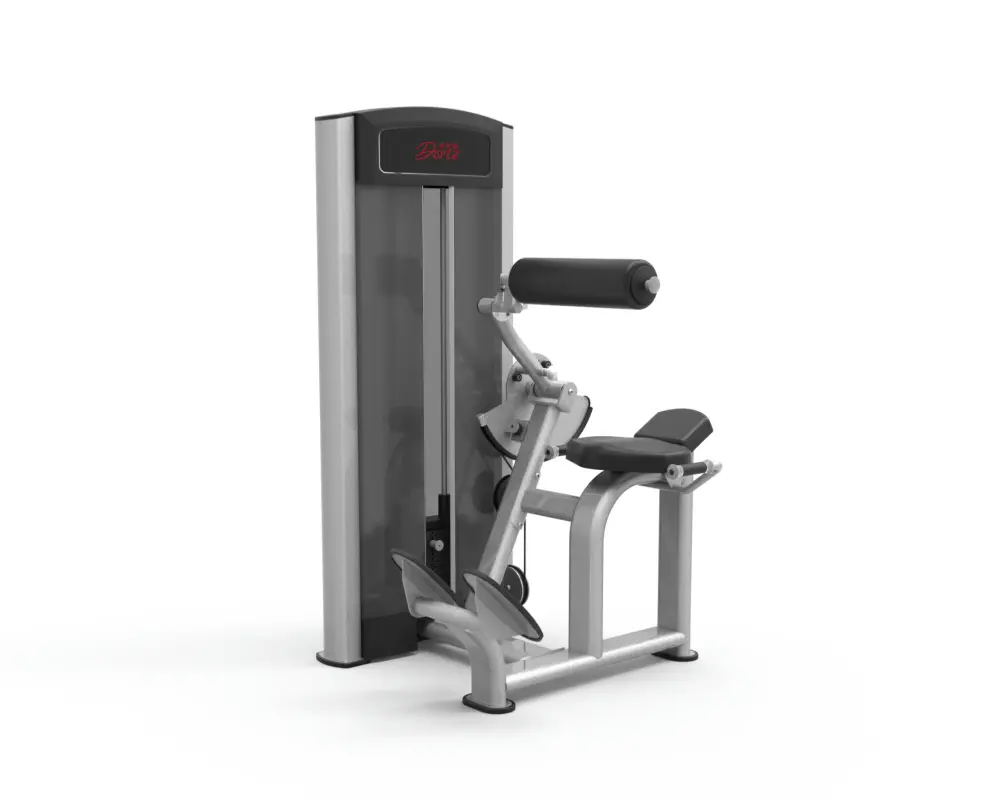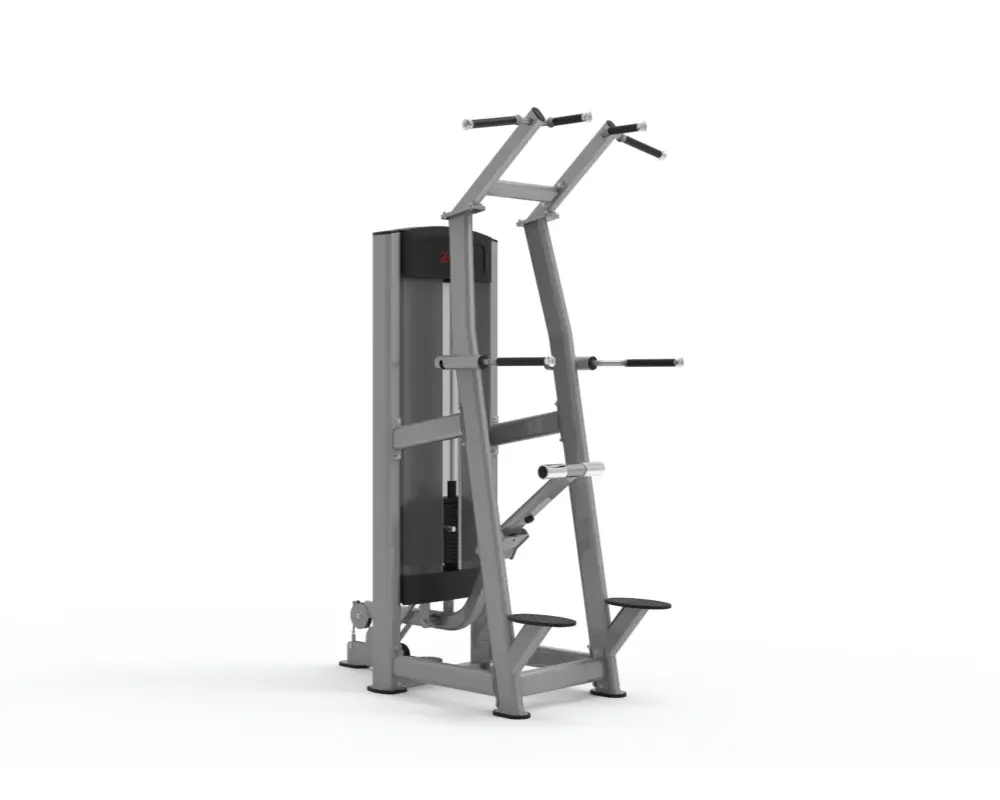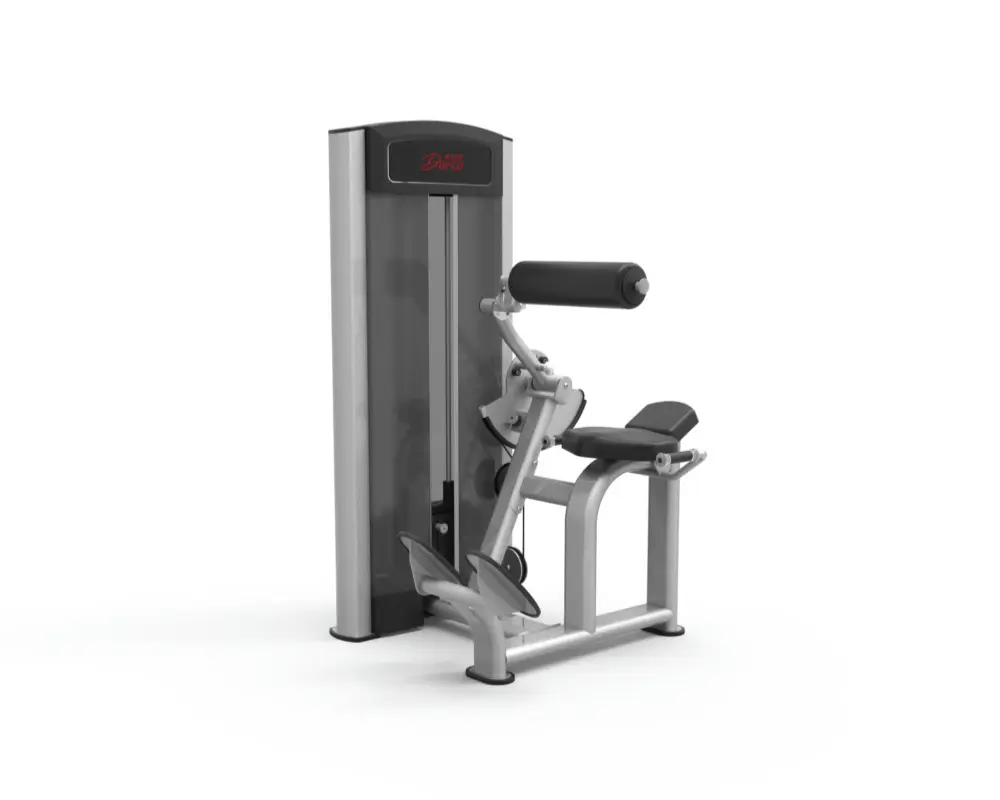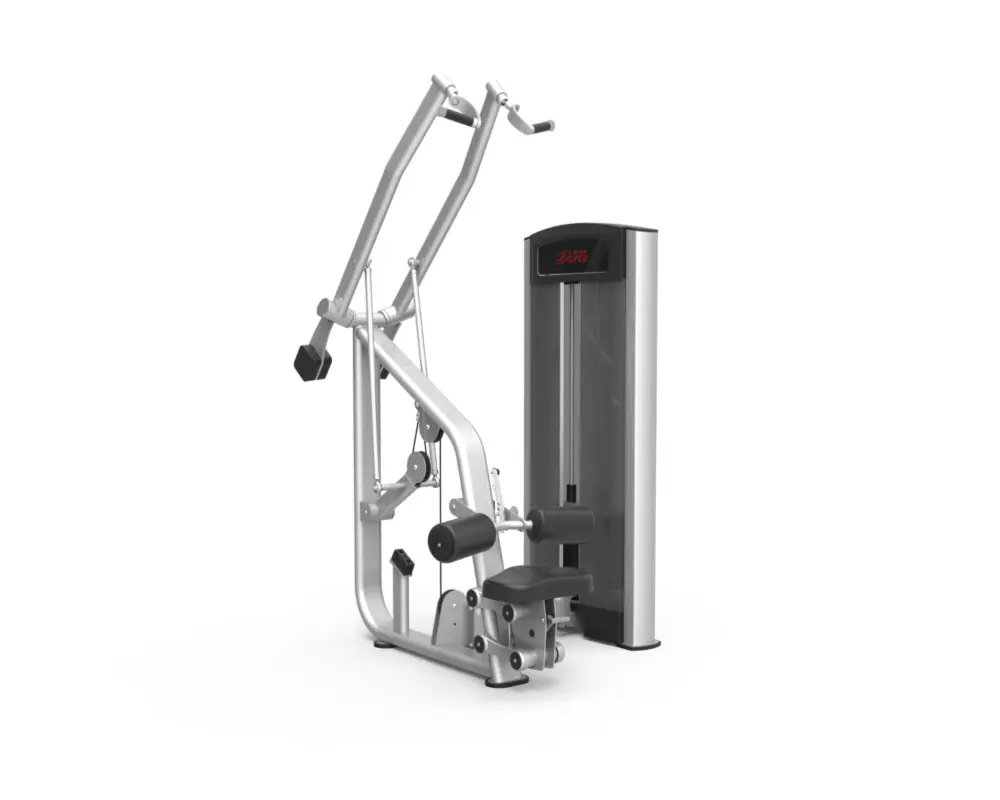

Product Model
Counterweight: 70KG
Net weight: 180KG
Maximum load capacity: 160KG
Wire rope tension: more than 1400KG
Main frame specification: Q235 material, 120*75*3.0mm bread-type pipe;
Other pipes: 120*50*3.0mm flat elliptic pipe
Product size: 746*1455*1660mm
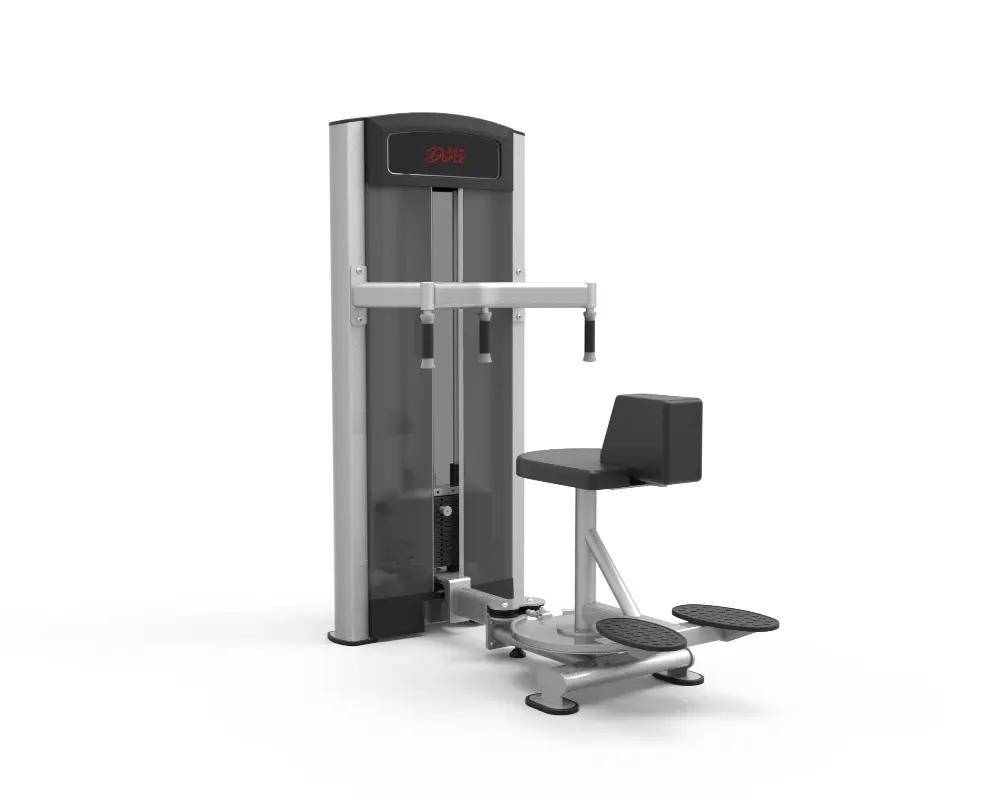
Seat cushion: one-piece foam, high-grade PU leather cover, aluminum alloy force arm parallelogram structure, torsion spring assisted lift adjustment.
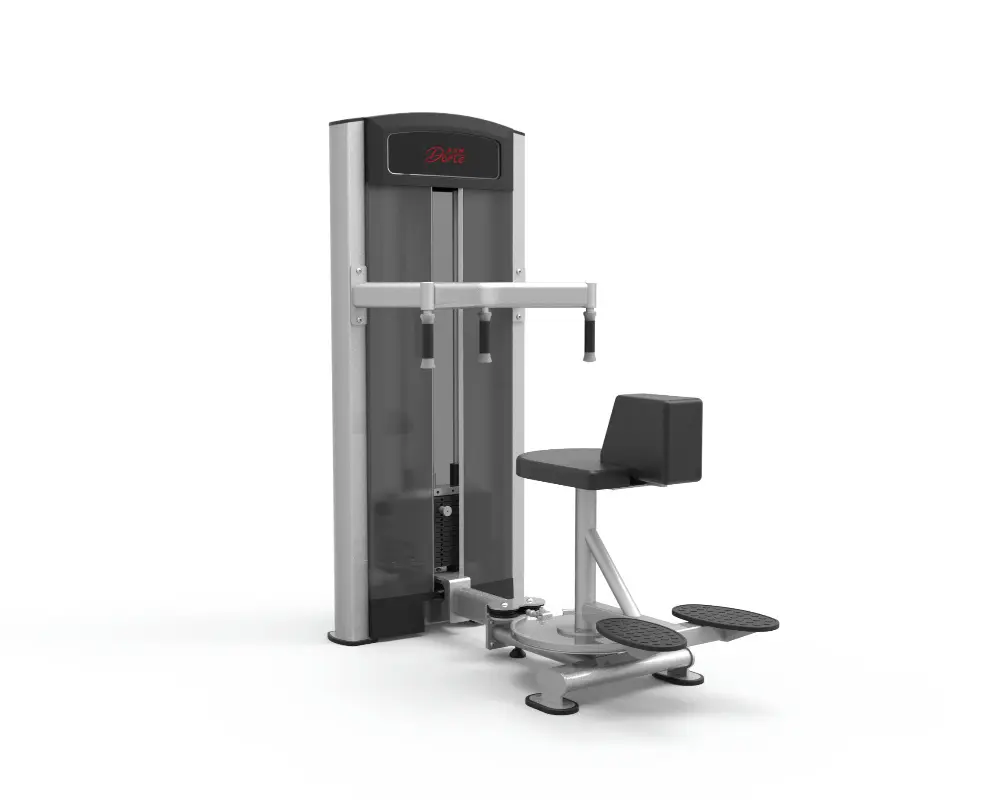
Rotary Core Station with Fixed Pelvis
The DL718 trains the internal and external obliques through resisted trunk rotation, with the pelvis locked so the movement happens above the hips. Free-standing Russian twists and cable chops let the lumbar spine rotate under load with nothing holding the pelvis — on a gym floor that is one of the more common sources of lower-back complaints.
It is the deepest machine in the series at 1455 mm and the narrowest at 746 mm. The shape follows the arc of the rotating arm: the extra depth is the swing radius, so the machine sits against a wall and projects into the room rather than needing clearance on both sides.
Net weight is 180 kg against a 160 kg user rating, and the same 70 kg stack as the DL717 — rotational force is small, so the useful resistance is in the lower half of the range and the stack stays compact.
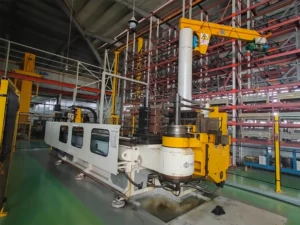
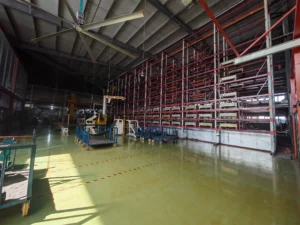
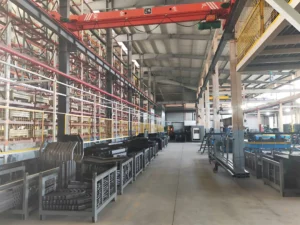
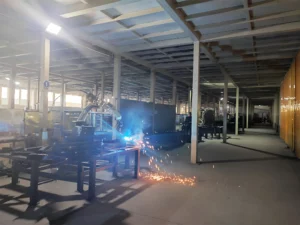
Fitness Equipment Factory
China Ledong offers a comprehensive range of high-quality manufacturing services, from welding and painting to assembly, packaging, and rigorous quality testing, to meet your specific needs. Our experienced team utilizes advanced technology to deliver customized solutions at competitive prices.
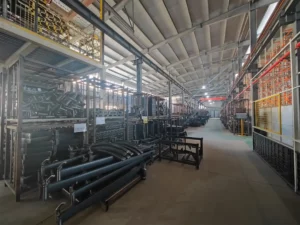
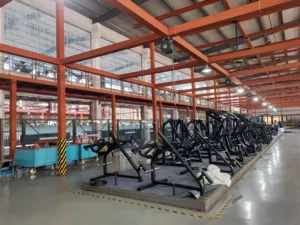
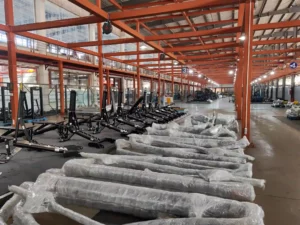
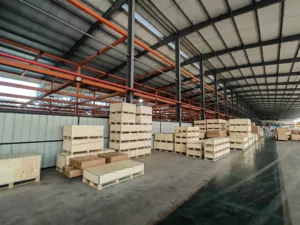
Contact now. Get the best solution!
Frequently Asked Questions
Commercial specification, installation and supply questions about the DL718.
Which muscles does the DL718 train?
The internal and external obliques, through resisted trunk rotation. Because the pelvis is fixed by the seat and thigh pads, the rotation happens in the thoracic and lumbar spine under control rather than in the hips.
Why is the DL718 so much deeper than it is wide?
The rotating arm swings through an arc, so the depth of 1455 mm is the swing radius plus the frame. The 746 mm width is what lets it sit flat against a wall. Plan the clearance at the front and to the side of the arm, not behind the machine.
What is the weight stack on the DL718?
70 kg in 5 kg increments. Rotational force output is low compared with pressing or rowing, so the working range for most members sits between 10 and 35 kg. A heavier stack would be dead weight on the frame.
How much user weight can it take?
160 kg maximum user weight with a wire rope rated above 1400 kg. The 7 × 19 galvanised cable is shared across the series, which keeps spare parts on one part number for the whole floor.
What steel frame does the DL718 use?
Q235 steel, 120 × 75 × 3.0 mm bread-type tube for the main frame, 120 × 50 × 3.0 mm flat elliptic tube for secondary members. The 3.0 mm wall is what holds the rotation pivot rigid over years of use; thinner tube develops play at the pivot first.
How is the seat and thigh pad adjusted?
Torsion-spring assisted lift on an aluminium parallelogram arm for the seat, with the thigh pads set at the hip line so the pelvis cannot rotate with the trunk. Getting the pads right is the whole point of the machine — if the pelvis moves, the obliques are not being trained.
Can DL717 and DL718 be ordered as a core pair?
Yes, and that is how most gyms order them. The two stations cover flexion and rotation, need about 3.2 sqm together, and can be placed back to back against a single wall run. Both count toward the 10-unit minimum in one order.
What is the minimum order and lead time?
10 units per order in total, with no per-model minimum — 1 unit of the DL718 is enough to start, and the other 9 can be any other machines. Regular production runs 25–35 days to Shenzhen port, excluding ocean freight; customized colour or branding runs 35–45 days. We send the packing list and installation sequence before the container leaves.