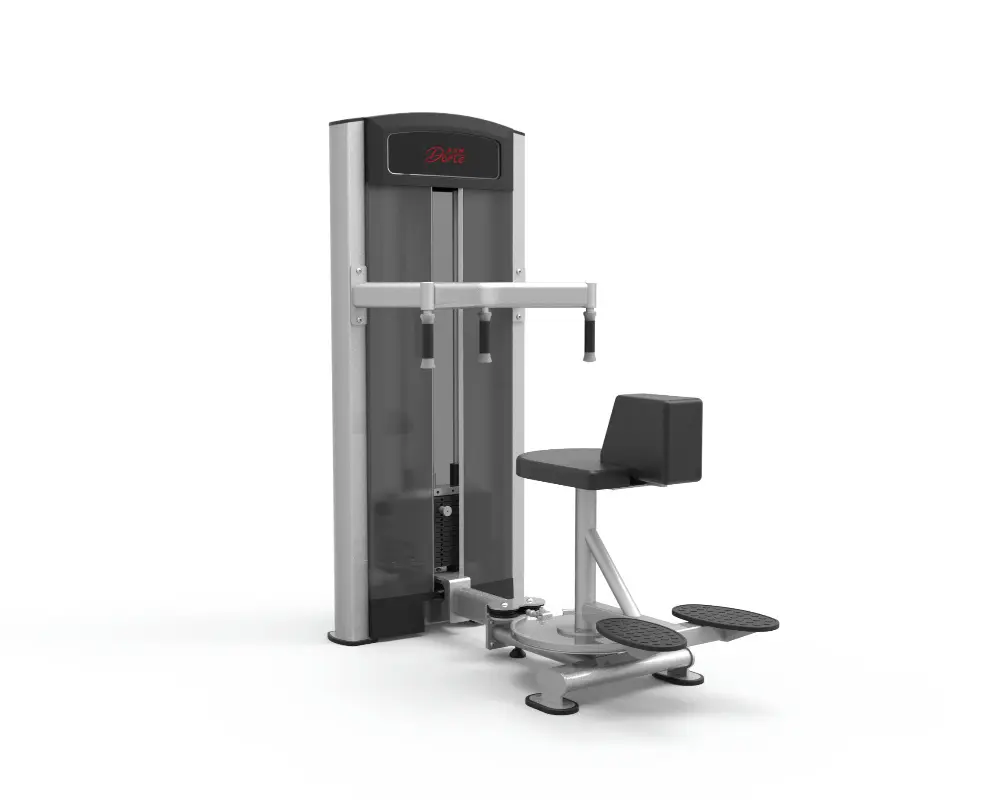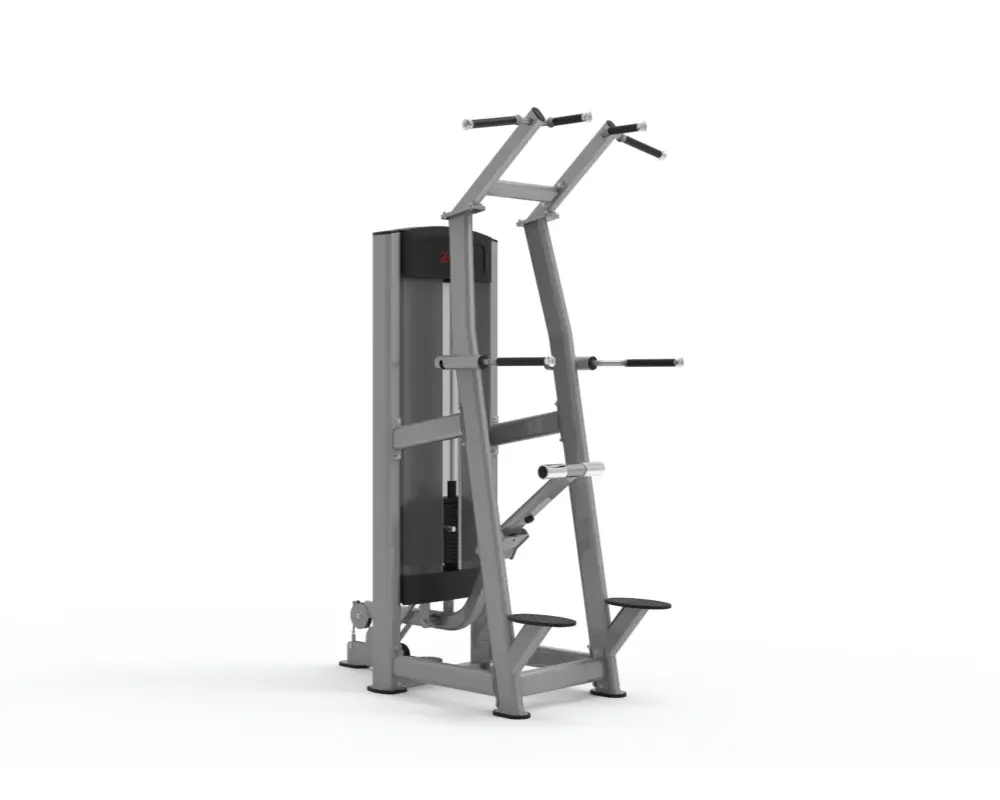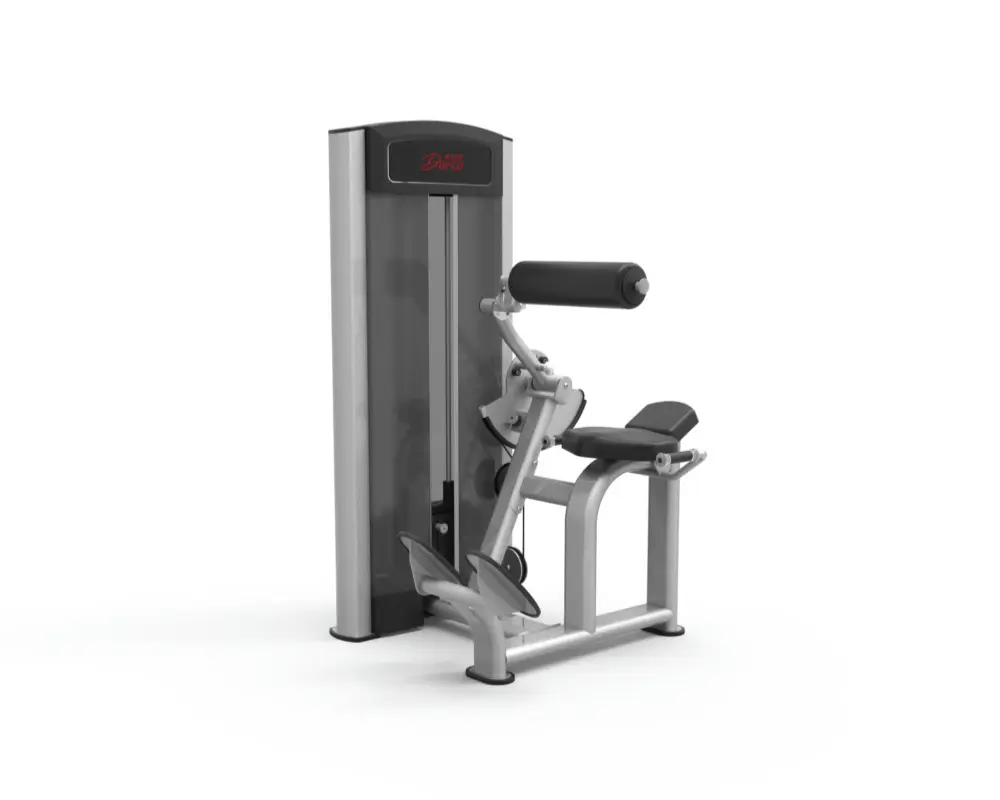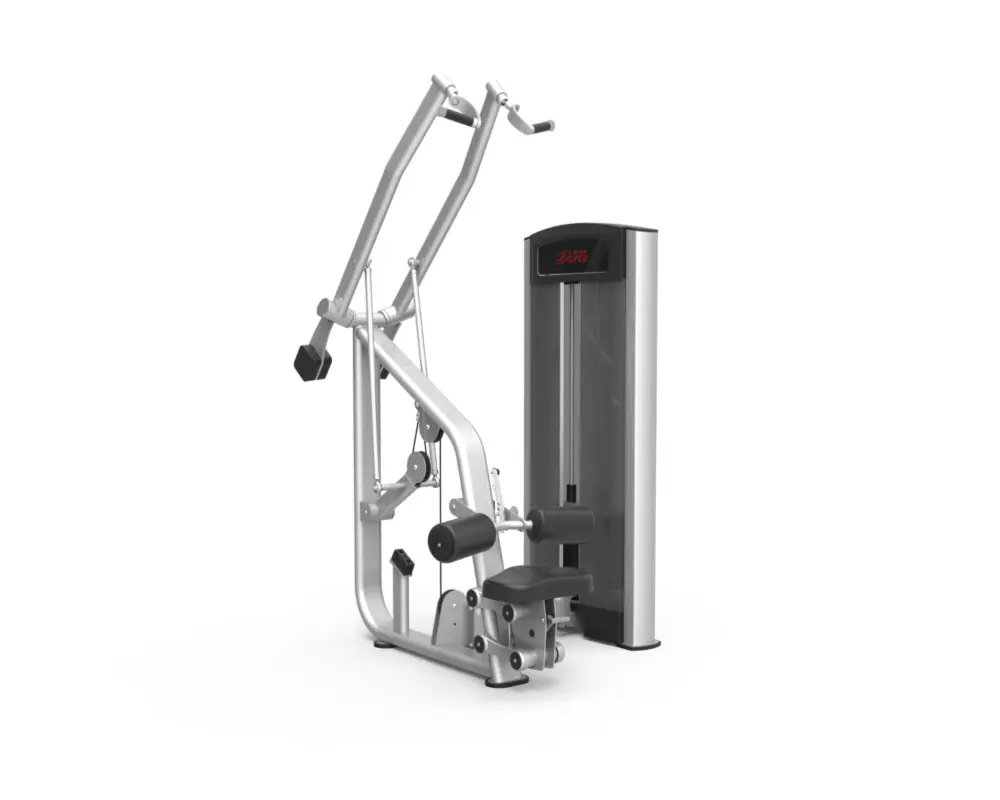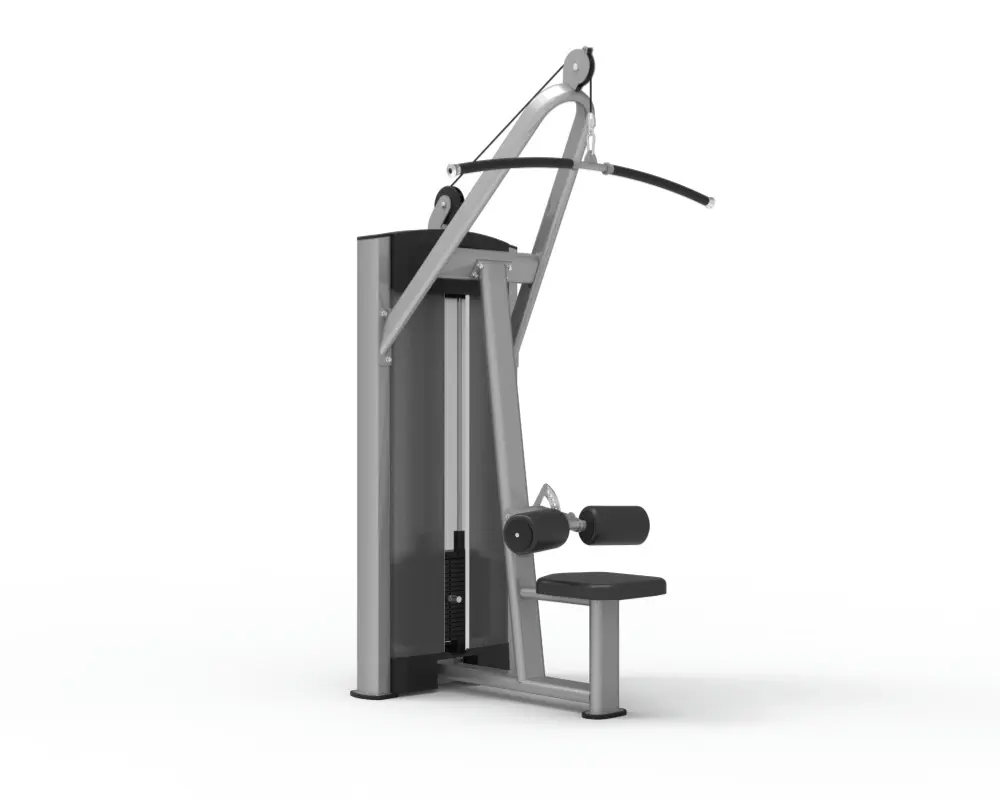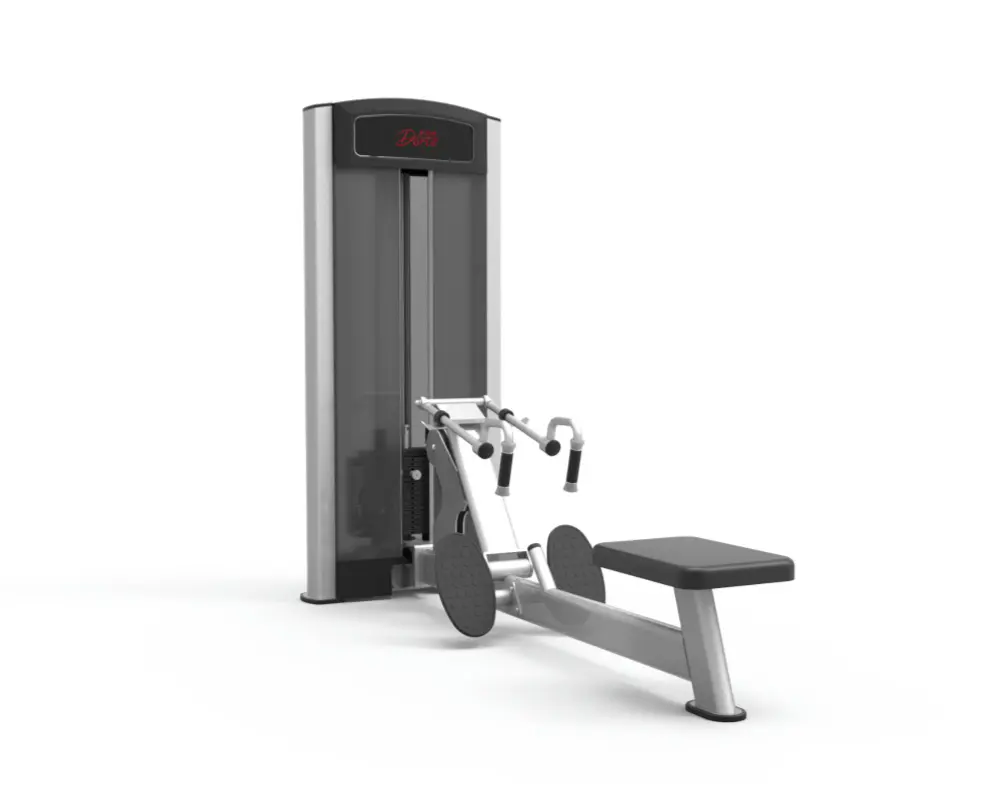

Product Model
Counterweight: 70KG
Net weight: 185KG
Maximum load capacity: 160KG
Wire rope tension: more than 1400KG
Main frame specification: Q235 material, 120*75*3.0mm bread-type pipe;
Other pipes: 120*50*3.0mm flat elliptic pipe
Product size: 1007*987*1660mm
Seat cushion: one-piece foam, high-grade PU leather cover, aluminum alloy force arm parallelogram structure, torsion spring assisted lift adjustment.
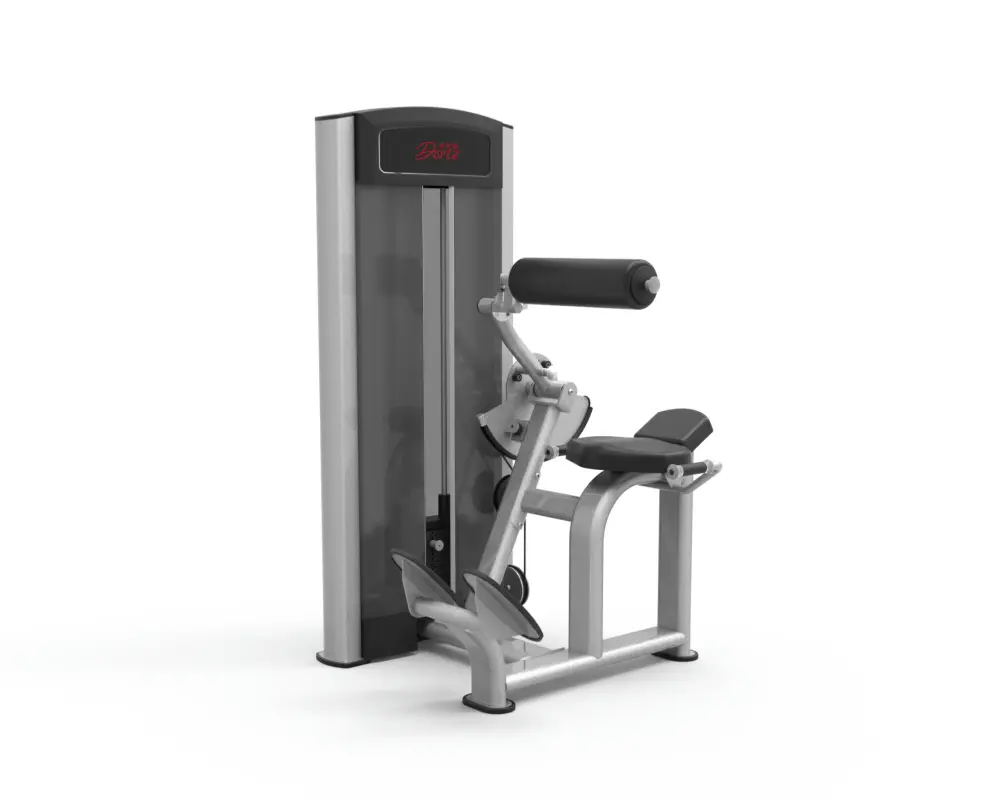
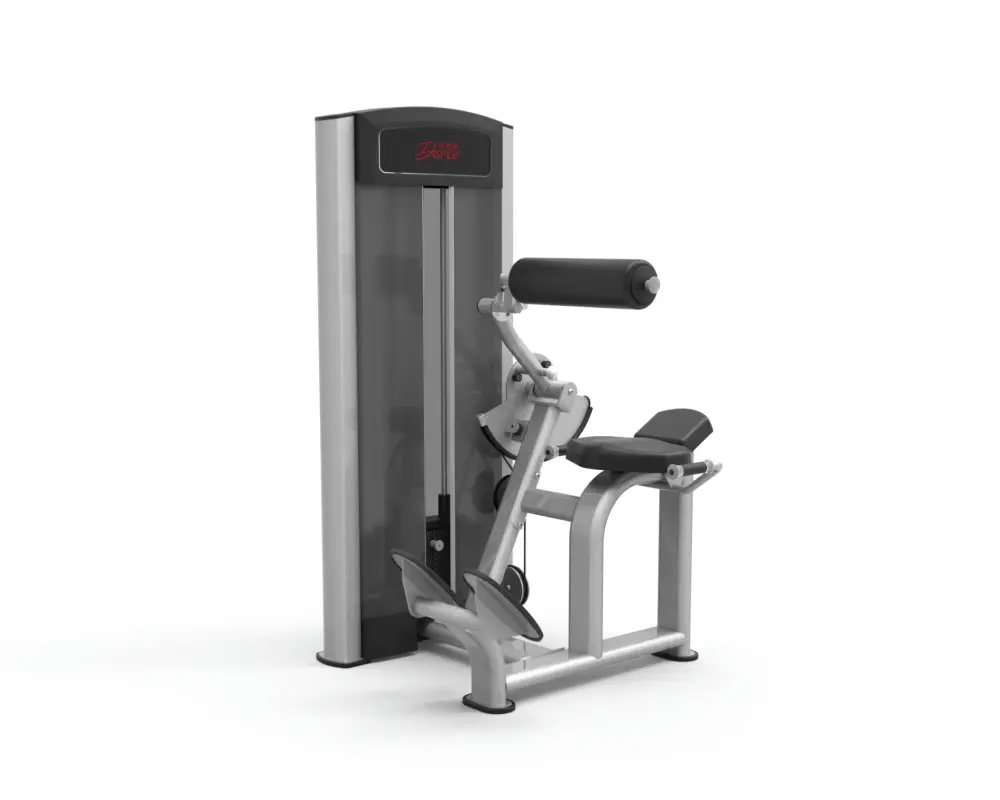
Chest-Supported Abdominal Crunch Station
The DL717 trains the rectus abdominis in a seated crunch path, with the torso supported so the movement stays in the spine rather than in the hip flexors. That distinction matters more than it sounds: most so-called ab stations on the market are really hip-flexor machines, and members feel them in the thighs, not the waist.
The footprint is 1007 × 987 mm with a net weight of 185 kg, which makes it one of the few core stations that fits a 10 sqm corner without blocking circulation. The 70 kg stack is deliberately lighter than the 90 kg used on the back and chest stations in the same series — abdominal force output is roughly a third of rowing force, so a heavier stack would only add cost and dead travel at the bottom of the range.
Seat height runs on a torsion-spring assisted lift with an aluminium parallelogram arm, so a 1.55 m member and a 1.90 m member can both find the pivot in one adjustment instead of hunting for a pin.
Fitness Equipment Factory
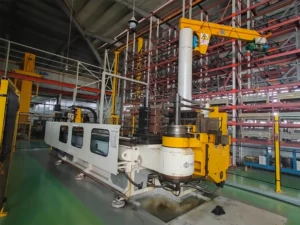
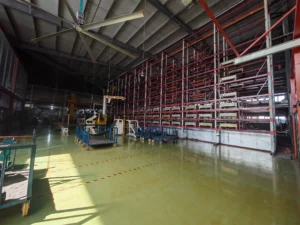
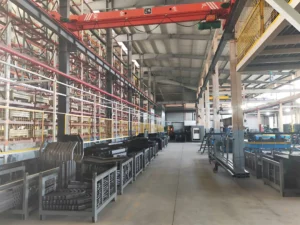
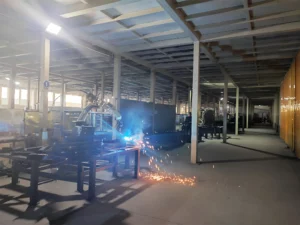
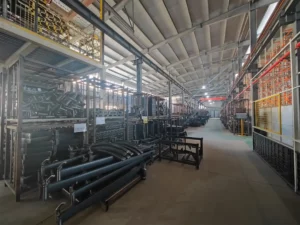
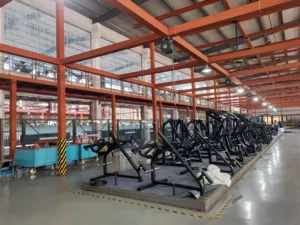
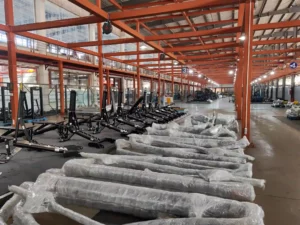
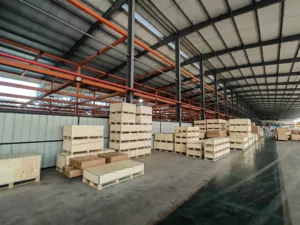
China Ledong offers a comprehensive range of high-quality manufacturing services, from welding and painting to assembly, packaging, and rigorous quality testing, to meet your specific needs. Our experienced team utilizes advanced technology to deliver customized solutions at competitive prices.
Contact now. Get the best solution!
Frequently Asked Questions
Commercial specification, installation and supply questions about the DL717.
Which muscles does the DL717 train?
The rectus abdominis, in a seated flexion path. The chest pad and the fixed hip position keep the movement in the trunk, so the hip flexors do not take over the way they do on a floor crunch or a decline bench.
What is the weight stack on the DL717?
70 kg in 5 kg increments. The stack is lighter than the 90 kg used on the chest and back stations in this series because abdominal force output is lower; the useful range is the bottom 40 kg, and the extra plates only add cost and travel.
What is the footprint of the DL717?
1007 × 987 × 1660 mm (L × W × H), net weight 185 kg. At just under one square metre of floor it fits a corner slot that would otherwise hold a bench. Leave 600 mm clear at the front for the arm travel.
How much user weight can it take?
160 kg maximum user weight, and the wire rope is rated above 1400 kg. The 7 × 19 galvanised cable is the same specification used across the series, so wear is governed by the pulley blocks rather than the rope itself.
What steel frame does the DL717 use?
Q235 steel, 120 × 75 × 3.0 mm bread-type tube for the main frame and 120 × 50 × 3.0 mm flat elliptic tube for the secondary members. Wall thickness is 3.0 mm, not the 2.0 mm that is common on lighter commercial lines.
How is the seat adjusted?
Torsion-spring assisted lift on an aluminium parallelogram arm. The spring carries the seat weight so the adjustment is one-handed, and the parallelogram keeps the pad angle constant through the travel instead of tilting as it rises.
Can the DL717 be installed on an upper floor?
185 kg net weight plus a 160 kg user means a point load of roughly 345 kg spread over four feet. That is normally fine on a suspended slab rated for 300 kg/sqm, but check the structural rating and use load-spreading pads under the feet if the floor is raised or timber.
What is the minimum order and lead time?
10 units per order in total, with no per-model minimum — 1 unit of the DL717 is enough to start, and the other 9 can be any other machines, which is about the equipment list of a 50 sqm gym. Regular production runs 25–35 days to Shenzhen port, excluding ocean freight. The DL717 pairs naturally with the DL718 torso rotation machine for a two-station core area.