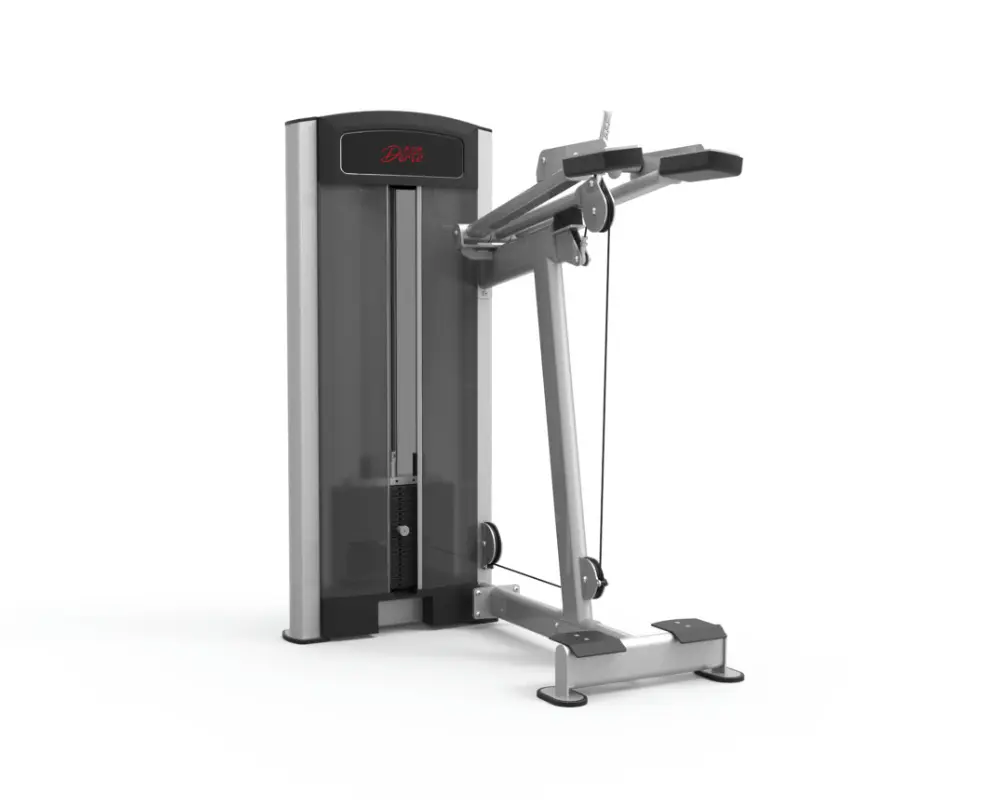
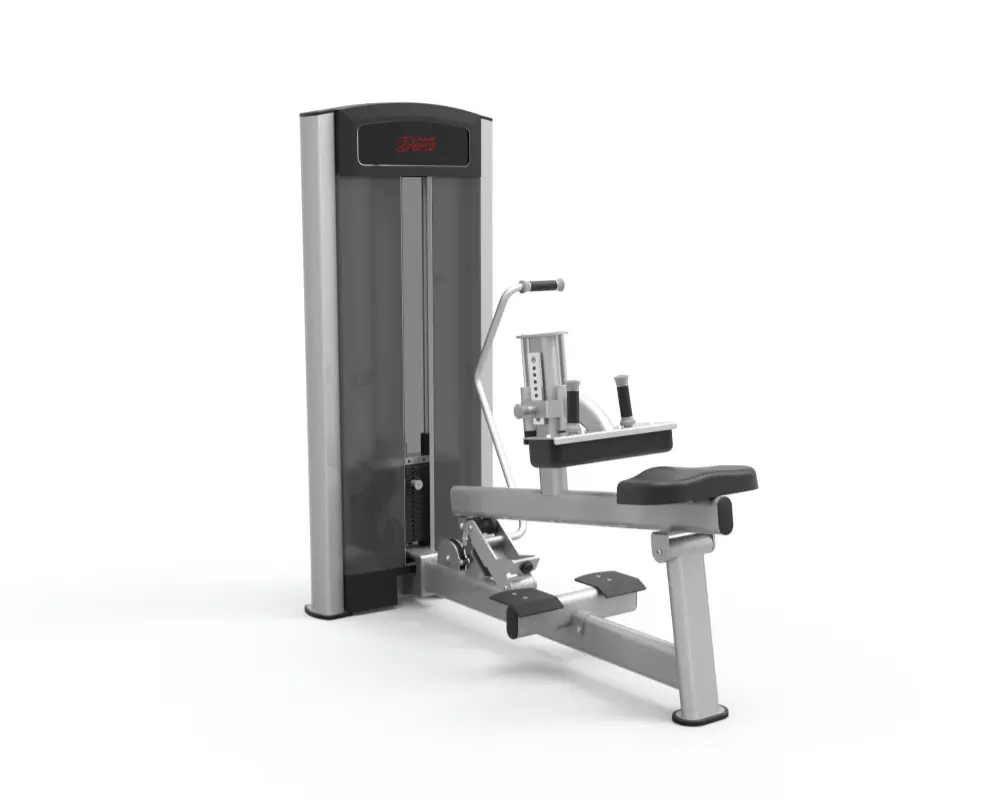
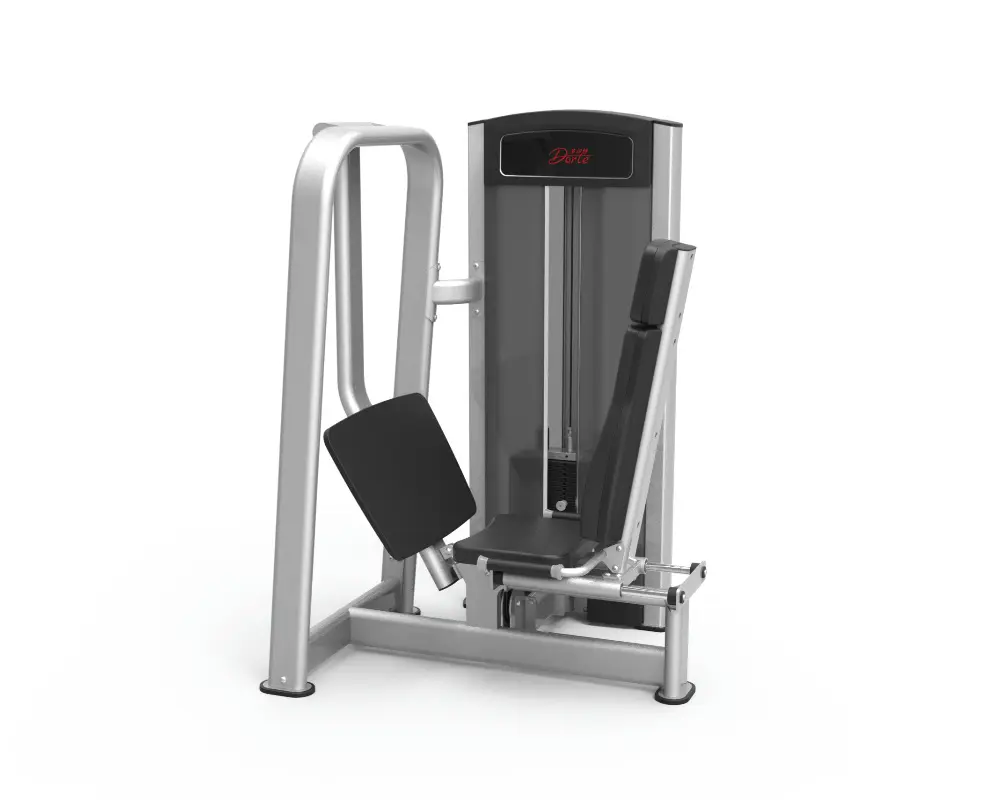
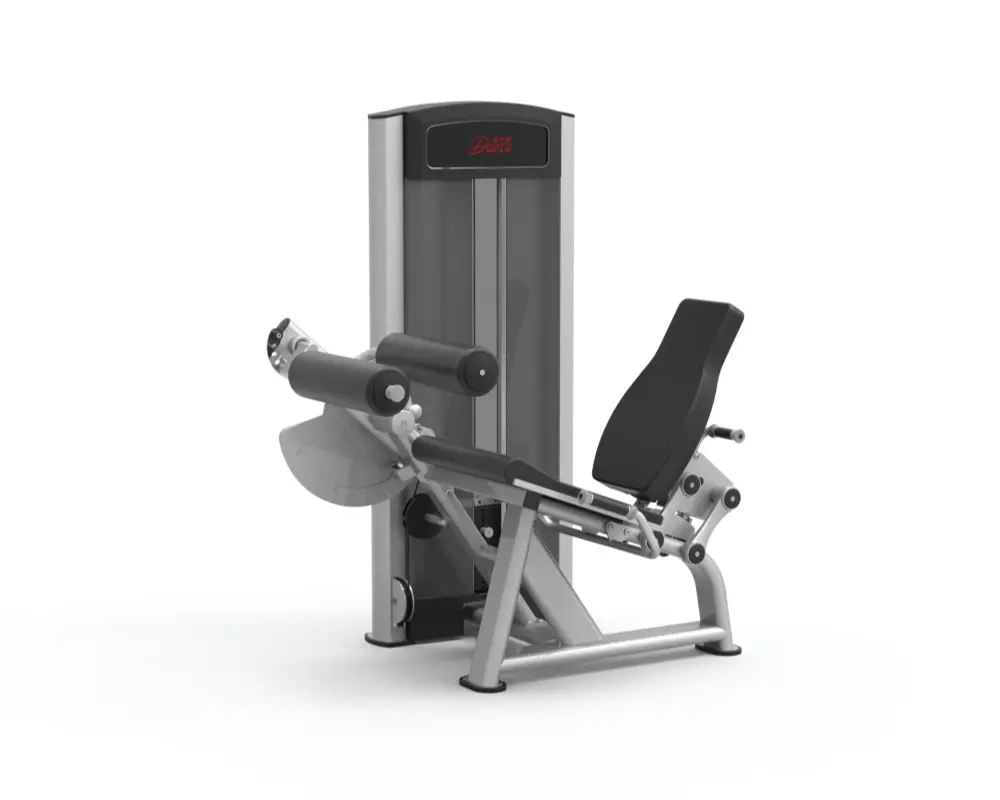
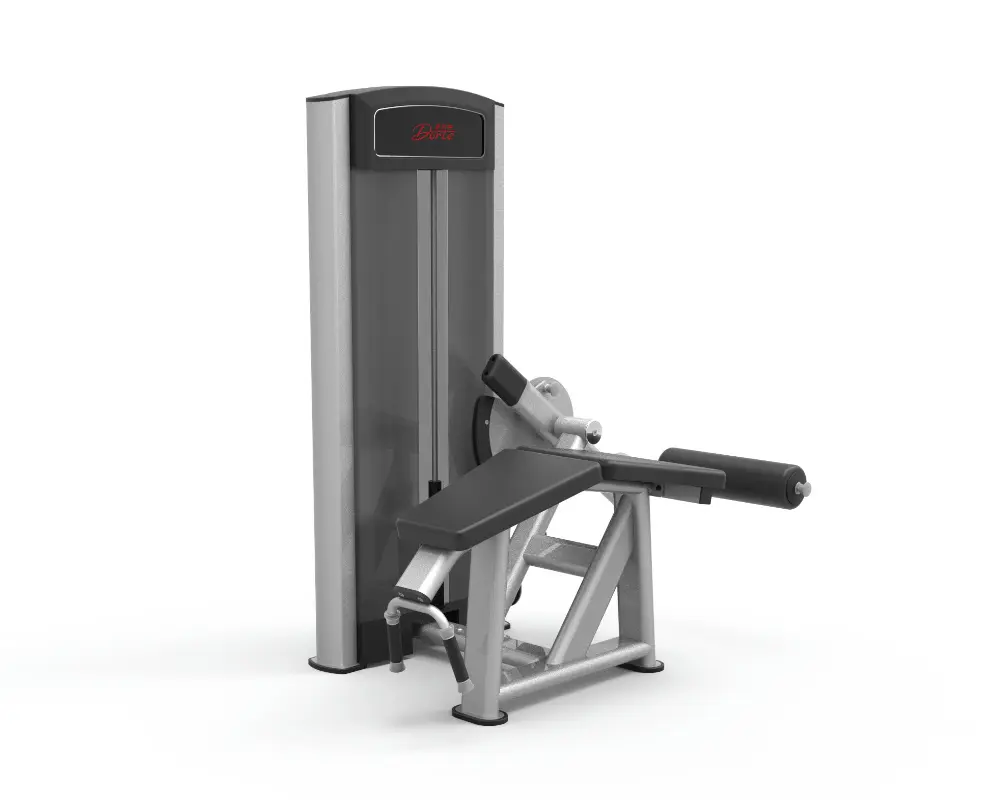
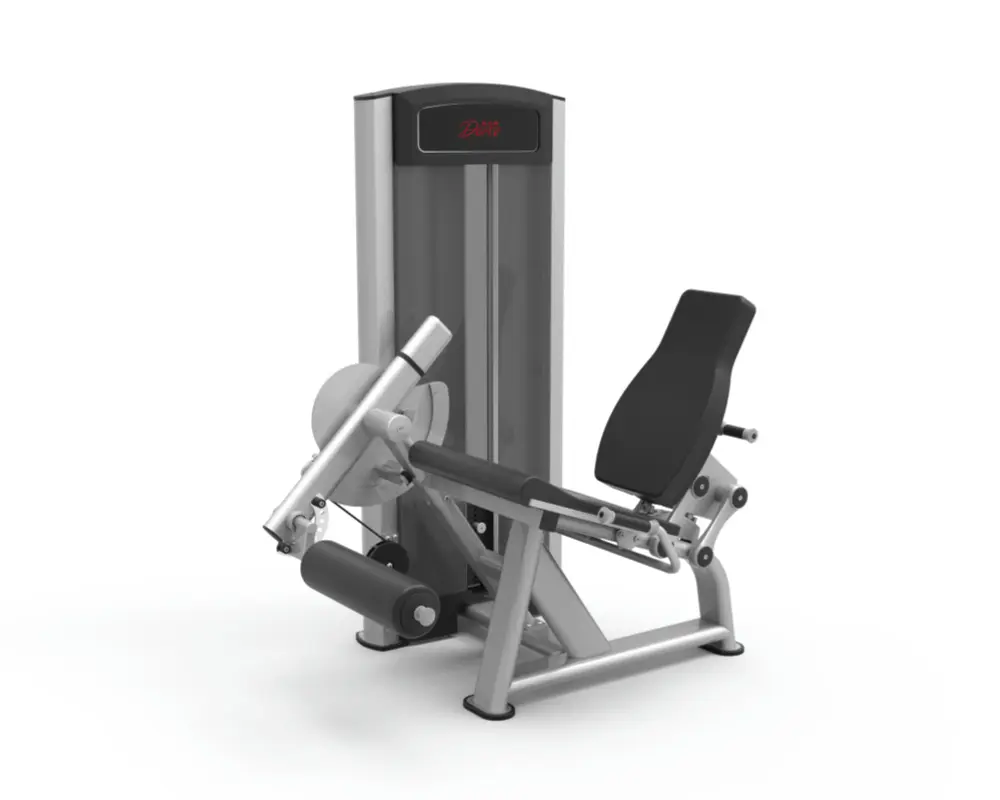
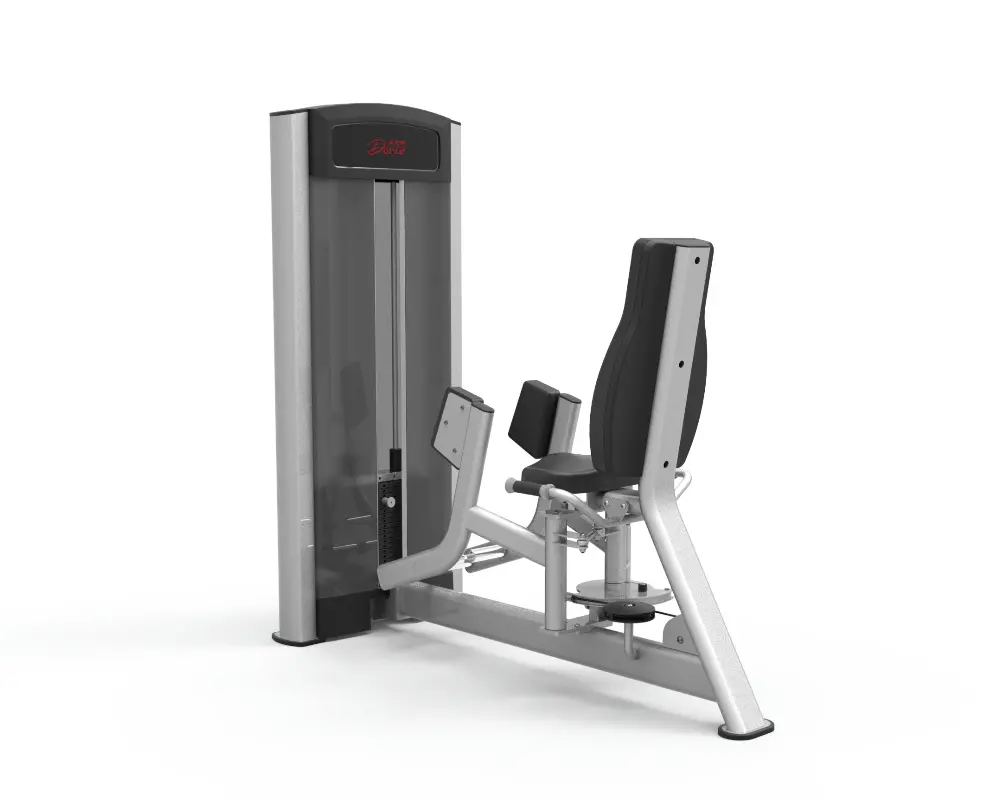
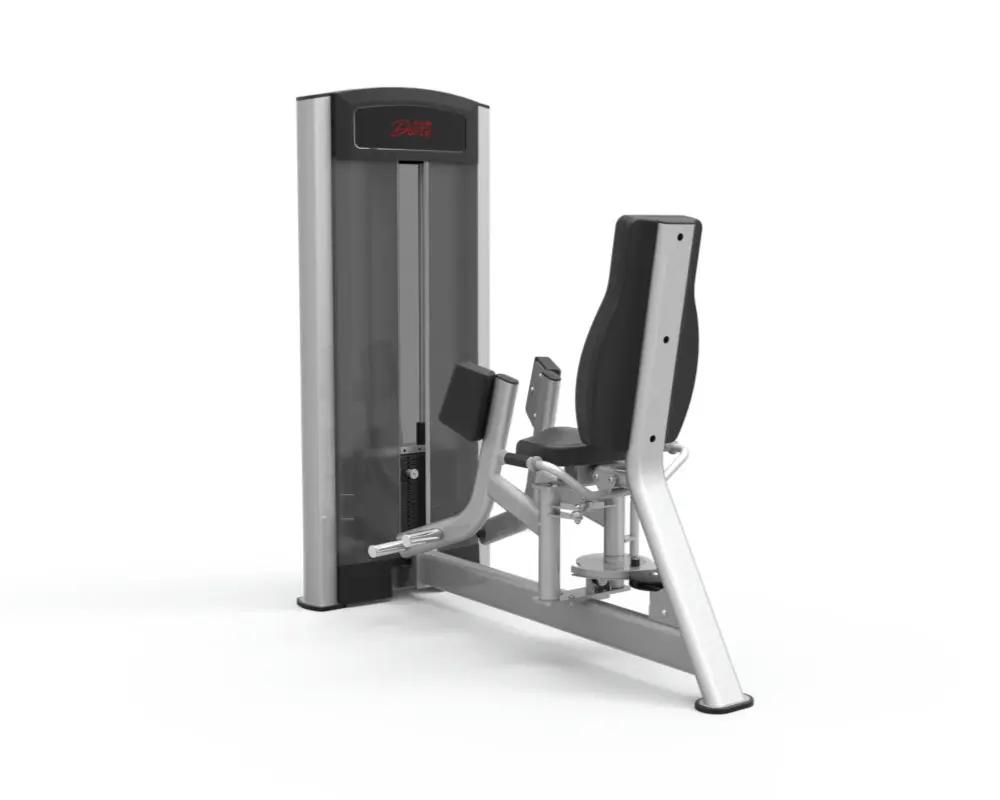
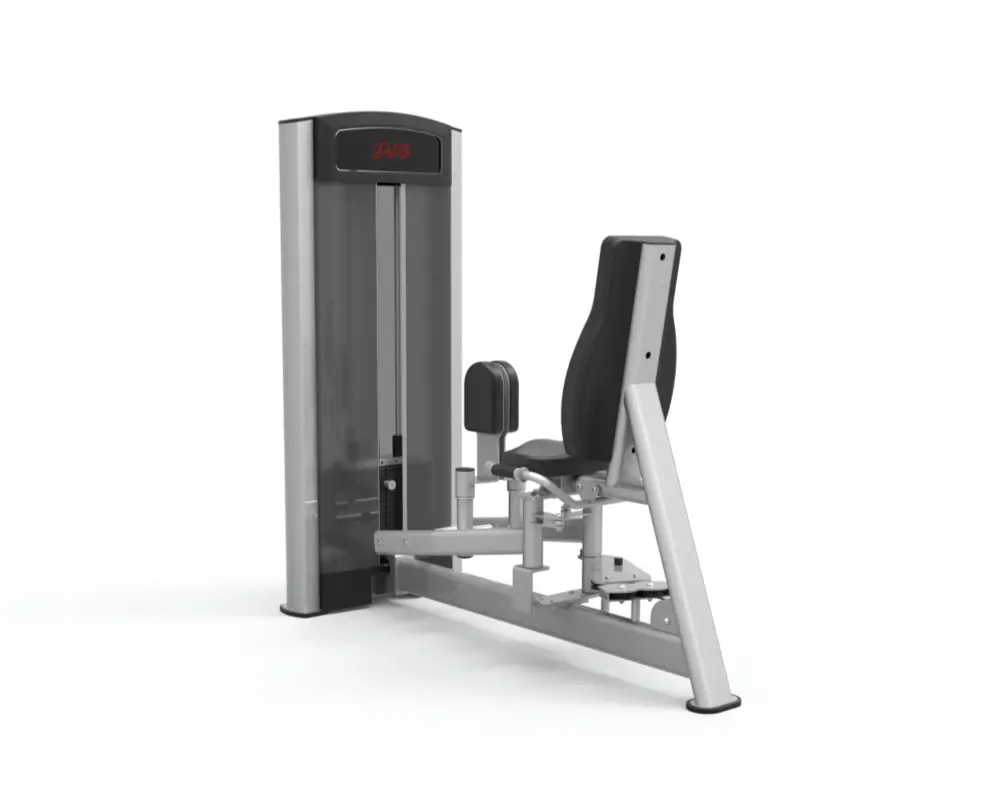
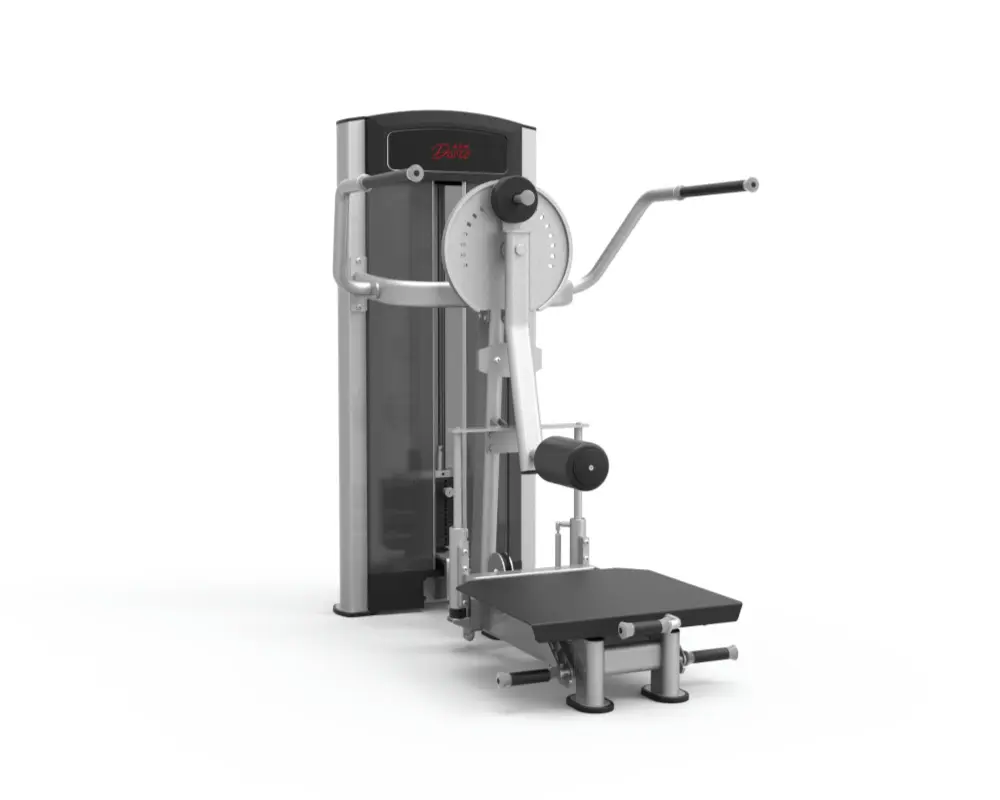
A single-station machine trains one movement with one user at a time. That sounds like a limitation and it is the whole point: three single stations let three members train at once, while one six-position multi gym lets three members queue for the same frame.
The distinction only matters at peak hour. At 2 pm on a Tuesday, any arrangement works. At 7 pm, the difference between three separate stations and one multi-station unit is the difference between a member training and a member leaving.
Single station against multi station
| Single station | Multi station |
|---|
| Users at once | One per machine; three machines, three users | One per position, but shared stacks cause queues |
| Floor area | Around 1.5 × 1.3 m each, plus walkway | One block of 2.9 × 2.3 m |
| Exercise choice | Fixed per machine, but the range is open | Fixed by the frame |
| Queue behaviour | Members move between machines | Members wait in one place |
| Maintenance | One cable system per machine | Two stacks serving eight functions |
| Best room size | Above roughly 120 sqm | Under 80 sqm |
The crossover point is roughly 100–120 sqm. Below it, the multi-station wins because the room cannot hold a useful line of individual machines. Above it, individual stations win because throughput matters more than coverage.
Why a line of single stations outperforms one big frame
Three reasons that show up in how a room is actually used:
- Parallel use. Six members can train on six single stations at the same time with no interaction. On a multi gym, positions that share a weight stack interfere — a user on the pulldown blocks the row.
- Movement between stations. Members on a line of machines naturally move from press to pulldown to row as part of a circuit. On a single frame, they finish and leave.
- Failure isolation. A snapped cable on a single station takes one machine out of service. The same failure on a multi gym can take out several positions at once.
The cost is floor area. Six single stations need roughly 14–16 sqm of machine space plus walkway; a six-position multi gym needs 6.7 sqm. That is the entire trade.
Sizing a line of single stations
A working line in a 120–200 sqm room is six to ten machines. The order that gets used most, based on the rooms we fit out:
- Seated chest press
- Lat pulldown
- Seated low row
- Seated shoulder press
- Biceps curl
- Triceps press
- Seated ab crunch
- Seated back extension
Beyond eight, the choice is between depth (a second chest press, a fly machine) and breadth (lateral raise, torso rotation, assisted dip). In a room with a mixed membership, breadth wins — more members find something they recognise.
Layout rules for a single-station line
- Spacing: 0.6 m between machines at the frame, but the weight stack must be reachable. If the pin is behind the neighbouring machine, the spacing is wrong.
- Front clearance: 1.1 m for the seat adjustment and the user. Under 1 m, users turn sideways to get on.
- Order: pressing at one end, pulling in the middle, arms and core at the far end. It mirrors a session and puts the two most-used machines near the entrance.
- Facing: into the room, not at a blank wall. A line facing a wall reads as storage.
- Mirrors: 2 m in front of the line, never directly against it — the user blocks their own view at the machine.
When a single station is the wrong buy
Three situations where a multi station or a different product group is better:
- Rooms under 80 sqm. The line cannot hold enough machines to cover the body, and members end up doing three exercises and leaving.
- Rooms with one dominant user type. A hotel gym with mostly short-stay guests does not need eight stations; it needs four that are obvious to use, plus cardio.
- Rooms that want free weight training. No number of single stations substitutes for a rack and a bench. If the members are lifters, the money belongs in the free weight layer.
Commercial terms
- Minimum order: 10 units per order, no minimum per model — a mixed line of ten different stations is fine.
- Lead time: 7–10 days stock, 25–35 days standard production, 35–45 days with custom frame colour or branding. To Shenzhen port, sea freight excluded.
- Warranty: one year on the machine.
- Payment: settled before shipment, deposit to hold the slot, third-party inspection welcome.
- Standards: meets or exceeds EN ISO 20957.
- Branding: frame colour, logo, decals and packaging can be changed; models can be mixed in one order.
Part of the commercial strength range. Station-by-station detail is on the selectorized machines page. For rooms where one frame has to do everything, see multi-station machines. Commercial terms: FAQ.